Foreign material and toxin consumption by beef cattle can lead to significant health problems, reduced performance and economic losses. Canadian cattle producers take great pride and care in how they manage their farms and ranches, from providing proper nutrition to stewarding their land and ensuring excellent animal care. Yet even with the best intentions, foreign materials and toxins can quietly find their way into feed, water or pastures. Understanding where they come from and how to prevent exposure is a key part of protecting your herd.
Foreign materials and toxins often slip in through everyday farm activities such as repairing fences, running equipment, feeding hay or dealing with weather-stressed crops. A small piece of wire, leftover net wrap or contaminated feed source might not seem like much, but if consumed by cattle, it can trigger health issues, lost performance or even death.
Understanding Hardware Disease
When cattle consume sharp metal objects like nails or pieces of wire, those items can settle in the reticulum and irritate or puncture the stomach lining. In the worst cases, these foreign objects can migrate and damage the heart, causing severe illness or death. This condition is known as hardware disease (or bovine traumatic reticuloperitonitis), and it can be both dangerous and costly.
Signs of hardware disease include:
- Depression or dullness
- General discomfort (e.g., teeth grinding, grunting)
- Arched back
- Off feed
- Brisket swelling
- Loss of body condition
Common sources of metal pieces include cables on fences or feed bunks, fragments from feed processing equipment and scrap materials left on the ground. Prevention goes a long way and there are several preventative practices that can be implemented, including:
- Using magnets or scalpers to remove possible debris from feed
- Covering metal cables with plastic sleeves
- Avoiding materials that deteriorate over time
- Regular equipment and facility maintenance
- Keeping yards and feeding areas clean
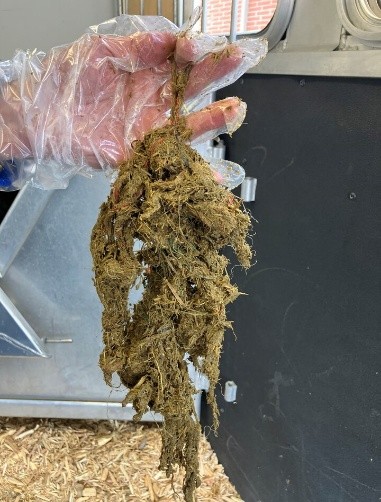
Twine and Net Wrap: A Preventable Risk
Twine and net wrap are among the most common foreign materials consumed by cattle and are some of the easiest problems to avoid. These materials are indigestible and can build up in the rumen leading to blockages and digestive tract injury.
Signs of twine or net wrap consumption include:
- Weight loss
- Abdominal pain
- Poor coat condition
- Lethargy
- Diarrhea
- Bloating
- Straining to defecate
Prevention is Key
Once consumed, there is no easy fix. Taking a few extra minutes to remove and properly dispose of twine and net wrap before feeding, perform regular maintenance of equipment and facilities and inspect feeding areas for foreign materials can save a lot of trouble down the road.
Toxins That Put Cattle at Risk
Toxins can be difficult to spot, but their impact can be serious. Exposure can lead to reduced feed intake and poor performance or, in some cases, sudden illness or death.
Some of the most common toxins beef cattle may be exposed to include:
- Mycotoxins from contaminated or mouldy feed
- Botulism from decaying carcasses, spoiled silage or poorly preserved hay
- Nitrates from weather-stressed plants or excess nitrogen fertilization
- Prussic acid from plants such as sorghum, Sudan grass, Johnson grass, chokecherry and treated canola seed (risk increases during drought or frost stress)
- Toxic plants including hemlock, poison hemlock, death camus, lupine, red maple, oak, locoweed, monkshood, tansy, ragwort, common tansy, henbane, stinkweed and tall larkspur
- Lead from improperly disposed batteries, contaminated water sources, lead pipes or lead based paints
Preventing Exposure to Toxins
Preventing toxin exposure involves awareness, monitoring and good management practices:
- Test when in doubt: Test feed and water sources suspected of contamination or considered high risk (e.g., grain screenings, distillers’ grains).
- Watch the weather: Moisture levels during growth and harvest affect mycotoxin risk. For example, cool, moist conditions during flowering favour ergot growth, while warm, moist conditions favour fusarium development.
- Proper feed storage: Keep feed dry and well ventilated to prevent mould growth and spoilage.
- Vaccination: Vaccination programs can help protect against certain toxins, such as botulism or clostridial diseases.
- Expert guidance: Work with your nutritionist and veterinarian to design balanced diets and monitor toxin exposure. If exposure is suspected, contact your veterinarian to confirm and document the toxin exposure.
- Management practices: Rotate pastures, avoid overgrazing and inspect fields regularly, especially after frost or drought, to minimize exposure to toxic plants and mouldy feed. Routinely check pastures for lead sources such as discarded batteries.
- Education and awareness: Stay informed through extension programs, industry groups, agronomists and other farm advisors. Consider implementing a preventive control plan to identify hazards and reduce risks.
A few proactive steps can prevent cattle from accessing foreign materials and toxins, which is essential for maintaining herd health, protecting performance and avoiding preventable losses. Taking the time to walk pastures and feeding areas and regularly inspecting cattle, facilities, feed and water sources can help catch problems early.