SIMPLE.

PRACTICAL.

TRUSTED.

VBP+ BLOG & NEWS

February

Welcoming visitors onto your beef operation for tours, sales or informal stock viewings is a great way to connect and tell your story, but it also opens the door to a serious risk: disease. Every visit—whether from neighbours, tourists or family—carries the potential to introduce or spread disease to or from your operation.

Good biosecurity practices help manage these risks while also reducing the probability of disease at the herd, national and even international levels. It’s important to understand why biosecurity matters during tours, as well as what actions should be in place before, during and after tours to minimize risk.

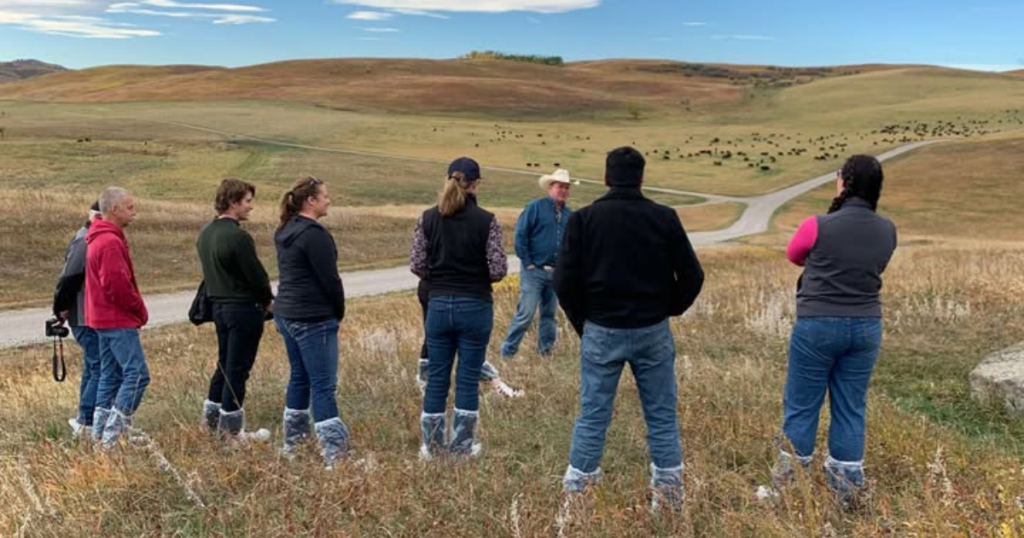
farm biosecurity boot covers on beef cattle farm
Biosecurity is everyone’s responsibility—for farmers, tour organizers and visitors alike. A farm tour is an excellent opportunity to showcase good biosecurity practices and highlight the vital role we all play in keeping Canada’s cattle and people healthy.

Why Biosecurity Matters During Tours

Biosecurity planning and precautions should be implemented during tours to limit the potential spread of disease to your livestock. This not only helps protect against significant reportable and trade-limiting diseases such as Foot and Mouth Disease, but also helps reduce the spread of endemic diseases, such as bovine viral diarrhea (BVD).

Hosting tours introduces various pathways for disease entry—through people, vehicles, animals and equipment. Visitors may include individuals who have had recent livestock contact or those unaware of farm biosecurity.

Keeping visitors safe is also important. Zoonotic pathogens can cause disease in both humans and animals; familiar examples include E. coli and ringworm.

Reportable diseases: diseases of significant importance to human or animal health, or to the Canadian economy. Not generally present in the industry. All suspected cases must be immediately reported by law to the Canadian Food Inspection Agency (CFIA) for investigation by inspectors.

Endemic diseases: diseases that are already present in the industry and may occur on an ongoing basis.

Zoonotic diseases: diseases that can be transmitted from animals to humans. They may be endemic or reportable.

Source: Government of Canada

Before the Tour

farm tourPlanning is key to a successful and safe farm tour. Before welcoming guests, take time to assess potential risks and put actionable measures in place to reduce them. Consider the following pre-tour planning steps:

1. Assess the risk level.

  • Consider the type and age of livestock currently on your operation. Stressed or young cattle are typically at higher risk than older animals. For example, have you recently received a load of freshly weaned, high-risk calves?
  • Think about where people are visiting from. Have visitors had livestock contact at more than one operation? Have they handled sick livestock in the past 14 days (high risk), or have they had no contact with livestock in the past 14 days (low risk)?
  • For international visitors, ask if they have had livestock contact within the past 14 days to prevent the introduction of reportable diseases, as recommended by the CFIA.
  • Identify the high-risk areas on your farm, such as calving barns, feed storage areas or sick pens.
  • Determine the goal of the tour. Does it require contacting livestock (high risk), or will visitors stay in a vehicle during the tour (low risk)?

2. Set boundaries and routes.

  • Plan a specific meeting area and designate parking locations away from livestock pens, feed or water sources to prevent contamination.
  • Plan a designated tour route. Aim to go from the youngest and most susceptible animals to the older animals.
  • Avoid high-risk zones and animal handling such as calving barns or sick pens when possible.
  • Post simple, clear signage such as “Stop—Biosecure Area” or “Clean Area Only” to help visitors understand and respect restricted zones. Signs can be printed in-house or purchased through farm supply outlets, provincial cattle associations or the Verified Beef Production Plus webstore.

3. Prepare personal protective equipment (PPE), cleaning and disinfectant supplies.

  • Ensure disposable boot covers or a footwear washing station are ready for visitors.
  • Choose durable waterproof boot covers that won’t tear easily in pens or muddy areas.
  • Provide handwashing or sanitizing stations at entry and exit points.

4. Communicate expectations before arrival.

  • Ensure visitors know what is expected and what is required (e.g., clean clothing and footwear).
  • Provide visitors with meeting and parking information ahead of arrival. When possible, provide a map or other detailed directions.
  • Provide simple explanations about why these steps matter and what biosecurity on your farm looks like.
During the Tour

Farms and ranches may implement a standard biosecurity protocol. A good starting point for this plan includes:

  • Keep a visitor log with names, dates and contact information of visitors.
  • Sanitize or wash hands upon arrival.
  • Direct guests to follow the planned route and respect restricted areas.
  • Provide boot covers for all participants.
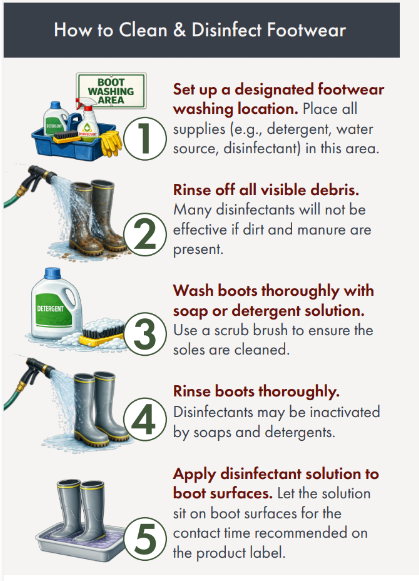
  • If footwear washing is used instead of disposable covers, ensure brushes, disinfectants and clean water are available.

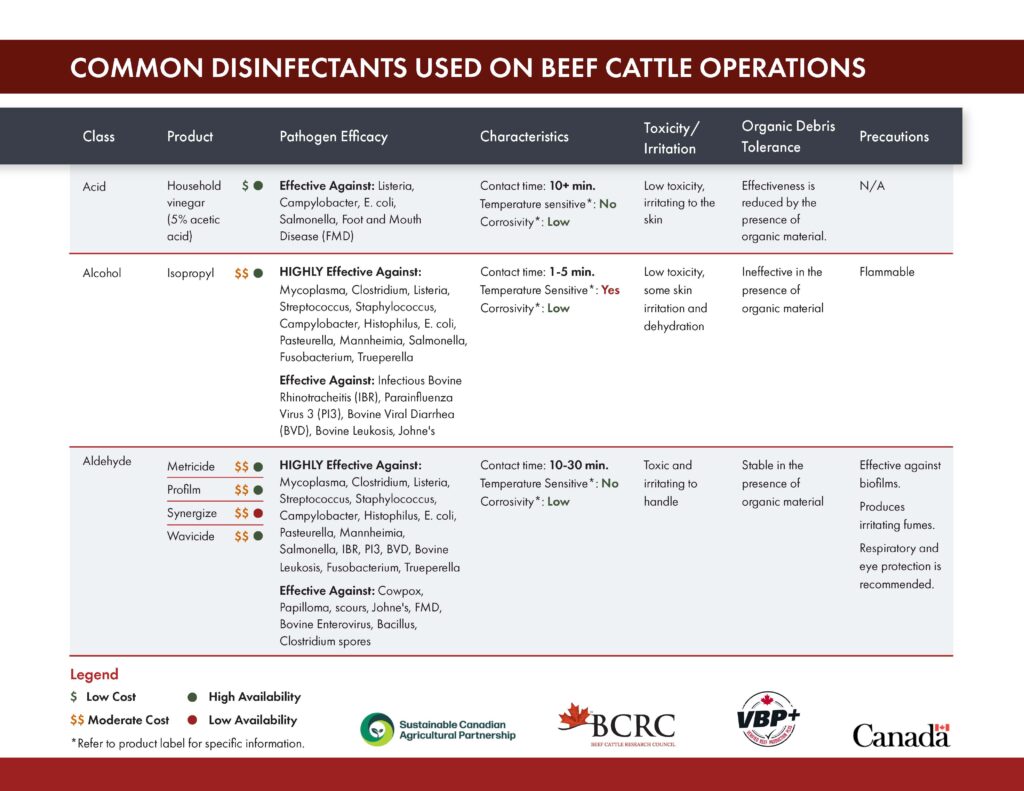
common disinfectants used on beef cattle operations
Click for four-page disinfectant table.
Best Practices for Boot Washing
  • Rinse and dry footwear.
  • Apply disinfectant solution according to label directions and contact time.
  • Allow footwear to dry before entering clean areas.
  • Remind guests not to touch livestock, feed or water troughs and to avoid direct contact with manure or bedding.
  • Have staff or volunteers positioned to help monitor compliance and answer questions—this also keeps the tour engaging and controlled.
Click to download one-page boot disinfection guide. 

how to clean and disinfect footwear

After the Tour

  • Have visitors sanitize or wash their hands before departing.
  • Disinfect any high-risk or heavily trafficked areas after the tour. There are many effective disinfectants available. Consult with your veterinarian for guidance on which product is right for your situation.
  • Safely dispose of used boot covers and cleaning materials.
  • Keep your visitor log for at least 12 months.
  • Perform health checks on animal groups that may have had contact with tour visitors, and contact your veterinarian with any concerns.
  • Review what worked well and where improvements could be made for future tours.

red and white cow behind fence in foggy winter
Click the image to learn more about the importance of biosecurity on your farm, including information on recommended personal protective equipment (PPE) for anyone in contact with livestock.

Farm biosecurity doesn’t have to be complicated. Simple and proactive steps can go a long way towards protecting your beef herd, your livelihood and the broader livestock industry. By planning ahead, setting clear expectations and keeping records, you can confidently welcome visitors while ensuring your tour is safe and enjoyable for everyone.

VBP+ producer portal

Did you know?

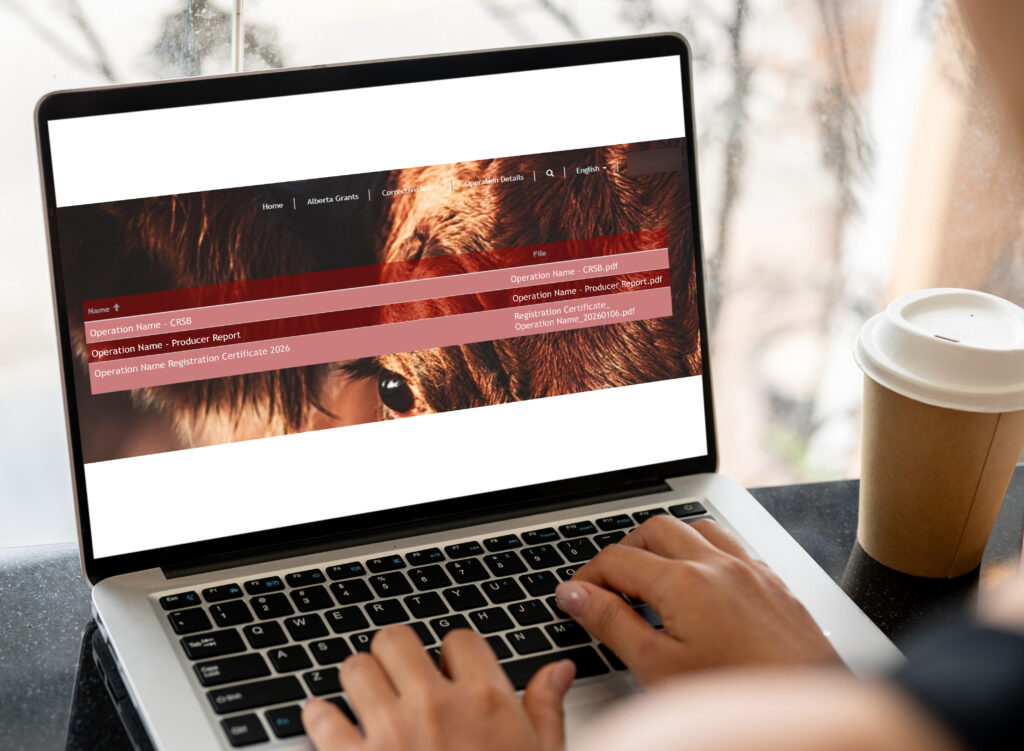
Recent updates to the Producer Portal give VBP+ Certified beef producers access to assessment summary reports! In addition to completing renewal assessments on the portal, producers can access these summary reports, their certificate and any outstanding corrective actions. Useful sample records for corrective action resolution can also be downloaded directly from the portal.

Producers who wish to apply for incentives linked to both VBP+ and CRSB certifications will be able to access certificates with a single click.

Until now, assessment summary reports and other documents have been sent to certified beef producers by email, so this update will allow greater flexibility in accessing vital VBP+ documentation, including current VBP+ Certification and active CRSB Certification.

Resolving corrective actions just got easier!

While communicating an outstanding corrective action request (CAR) has also been completed through email, phone or fax to date, upgrades to the portal include a CAR resolution. This feature provides downloadable sample records intended to reduce extra steps for beef producers working to resolve gaps identified during the on-farm assessment.

What can beef producers expect from the summary report?

When operations complete a VBP+ on-farm or renewal assessment, they receive an email with a Summary Assessment Report. The Summary Assessment Report outlines the results of the assessment, the assessor’s summary comments and any corrective action requests.

The Summary Assessment Report outlines results of the assessment, the assessor’s summary comments and any corrective action requests.

As VBP+ delivers two certifications with a single assessment:  the VBP+ Certification and certification to the Sustainable Beef Production Standard maintained by the Canadian Roundtable for Sustainable Beef (CRSB). Beef producers will now receive separate reports for each of these certifications.

The VBP+ Summary Report

The VBP+ Summary Report includes the following information:

  • The operation name
  • The VBP+ Inc. assessor name
  • The date of the assessment
  • Assessment scores determined based on 60 questions from the assessment pillars
  • The assessor’s summary comments
  • Corrective action requests from the assessment with deadlines for resolution
  • Date and scope of the next assessment (records assessment or self-declaration)
  • Other resources including provincial coordinator contact information, assessment experience survey and an appeals and complaints process
VBP+ Assessment Pillars
  • Animal Health
  • Animal Care
  • Animal Nutrition
  • Biosecurity
  • Emergency Response and Preparedness
  • Environmental Stewardship and Conservation
  • Transportation
  • Vulnerable, Distressed and High-Risk Cattle
  • Critical Control Points
  • Medicated Feeds
  • Leadership and Community
  • Coaching and Mentoring

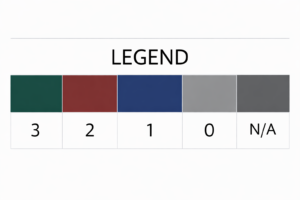
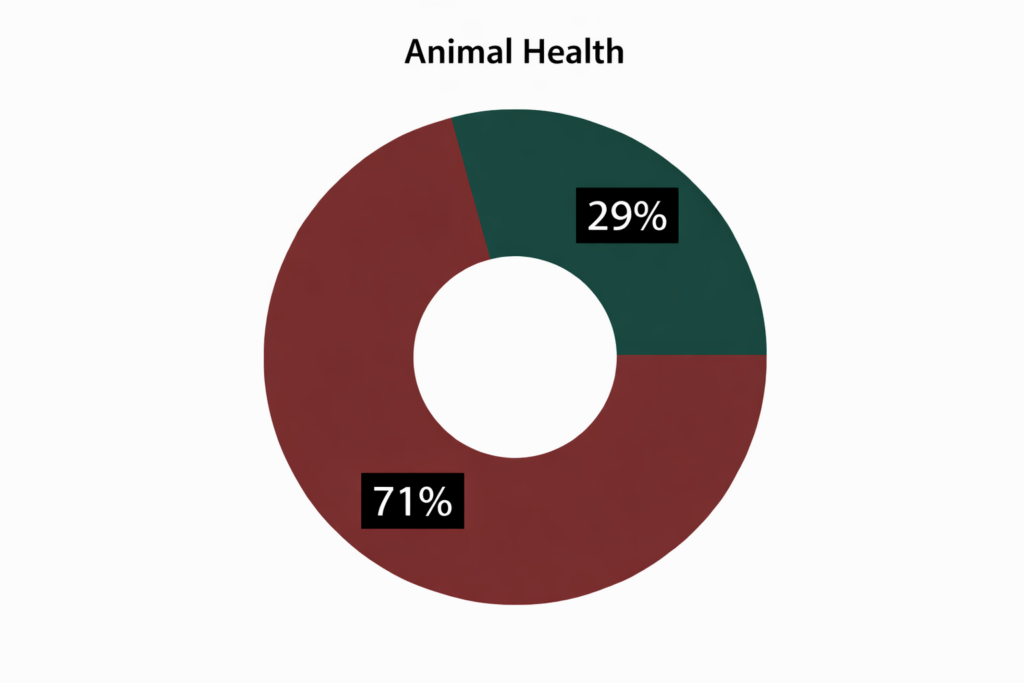
In this example of scoring in one of the 12 pillars, 71% of the questions related to animal health were scored a two and 29% were scored a three. For more information on questions and scoring criteria, consult the VBP+ Producer Manuals.

The CRSB Summary Report

The CRSB Summary Report reflects how an operation scores against the Sustainable Beef Production Standard maintained by the CRSB.

Additional Resources