SIMPLE.

PRACTICAL.

TRUSTED.

VBP+ BLOG & NEWS

2026

Welcoming visitors onto your beef operation for tours, sales or informal stock viewings is a great way to connect and tell your story, but it also opens the door to a serious risk: disease. Every visit—whether from neighbours, tourists or family—carries the potential to introduce or spread disease to or from your operation.

Good biosecurity practices help manage these risks while also reducing the probability of disease at the herd, national and even international levels. It’s important to understand why biosecurity matters during tours, as well as what actions should be in place before, during and after tours to minimize risk.

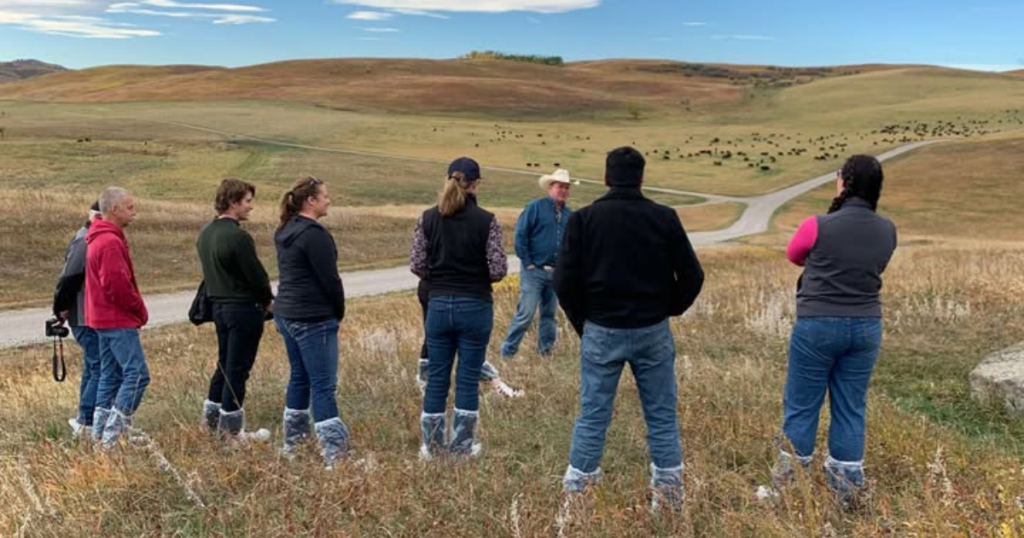
farm biosecurity boot covers on beef cattle farm
Biosecurity is everyone’s responsibility—for farmers, tour organizers and visitors alike. A farm tour is an excellent opportunity to showcase good biosecurity practices and highlight the vital role we all play in keeping Canada’s cattle and people healthy.

Why Biosecurity Matters During Tours

Biosecurity planning and precautions should be implemented during tours to limit the potential spread of disease to your livestock. This not only helps protect against significant reportable and trade-limiting diseases such as Foot and Mouth Disease, but also helps reduce the spread of endemic diseases, such as bovine viral diarrhea (BVD).

Hosting tours introduces various pathways for disease entry—through people, vehicles, animals and equipment. Visitors may include individuals who have had recent livestock contact or those unaware of farm biosecurity.

Keeping visitors safe is also important. Zoonotic pathogens can cause disease in both humans and animals; familiar examples include E. coli and ringworm.

Reportable diseases: diseases of significant importance to human or animal health, or to the Canadian economy. Not generally present in the industry. All suspected cases must be immediately reported by law to the Canadian Food Inspection Agency (CFIA) for investigation by inspectors.

Endemic diseases: diseases that are already present in the industry and may occur on an ongoing basis.

Zoonotic diseases: diseases that can be transmitted from animals to humans. They may be endemic or reportable.

Source: Government of Canada

Before the Tour

farm tourPlanning is key to a successful and safe farm tour. Before welcoming guests, take time to assess potential risks and put actionable measures in place to reduce them. Consider the following pre-tour planning steps:
1. Assess the risk level.

  • Consider the type and age of livestock currently on your operation. Stressed or young cattle are typically at higher risk than older animals. For example, have you recently received a load of freshly weaned, high-risk calves?
  • Think about where people are visiting from. Have visitors had livestock contact at more than one operation? Have they handled sick livestock in the past 14 days (high risk), or have they had no contact with livestock in the past 14 days (low risk)?
  • For international visitors, ask if they have had livestock contact within the past 14 days to prevent the introduction of reportable diseases, as recommended by the CFIA.
  • Identify the high-risk areas on your farm, such as calving barns, feed storage areas or sick pens.
  • Determine the goal of the tour. Does it require contacting livestock (high risk), or will visitors stay in a vehicle during the tour (low risk)?

2. Set boundaries and routes.

  • Plan a specific meeting area and designate parking locations away from livestock pens, feed or water sources to prevent contamination.
  • Plan a designated tour route. Aim to go from the youngest and most susceptible animals to the older animals.
  • Avoid high-risk zones and animal handling such as calving barns or sick pens when possible.
  • Post simple, clear signage such as “Stop—Biosecure Area” or “Clean Area Only” to help visitors understand and respect restricted zones. Signs can be printed in-house or purchased through farm supply outlets, provincial cattle associations or the Verified Beef Production Plus webstore.

3. Prepare personal protective equipment (PPE), cleaning and disinfectant supplies.

  • Ensure disposable boot covers or a footwear washing station are ready for visitors.
  • Choose durable waterproof boot covers that won’t tear easily in pens or muddy areas.
  • Provide handwashing or sanitizing stations at entry and exit points.

4. Communicate expectations before arrival.

  • Ensure visitors know what is expected and what is required (e.g., clean clothing and footwear).
  • Provide visitors with meeting and parking information ahead of arrival. When possible, provide a map or other detailed directions.
  • Provide simple explanations about why these steps matter and what biosecurity on your farm looks like.

During the Tour

Farms and ranches may implement a standard biosecurity protocol. A good starting point for this plan includes:

  • Keep a visitor log with names, dates and contact information of visitors.
  • Sanitize or wash hands upon arrival.
  • Direct guests to follow the planned route and respect restricted areas.
  • Provide boot covers for all participants.
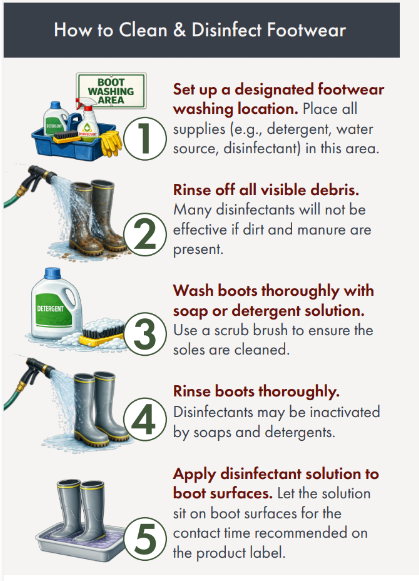
  • If footwear washing is used instead of disposable covers, ensure brushes, disinfectants and clean water are available.

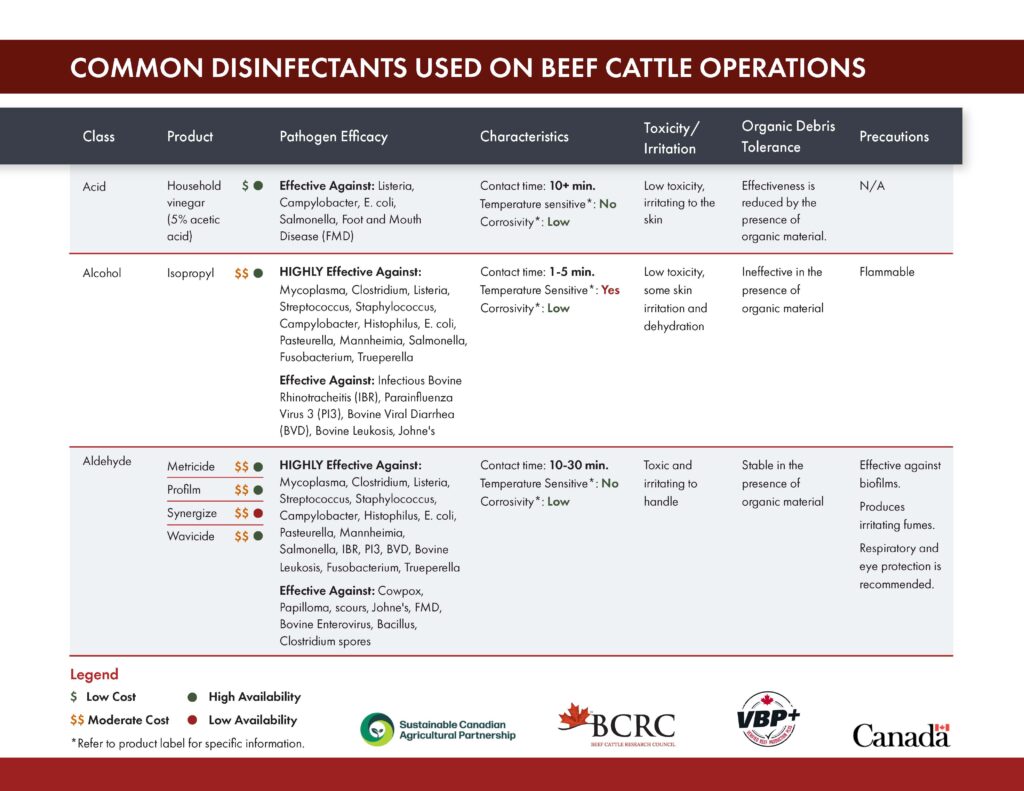
common disinfectants used on beef cattle operations
Click for four-page disinfectant table.
Best Practices for Boot Washing
  • Rinse and dry footwear.
  • Apply disinfectant solution according to label directions and contact time.
  • Allow footwear to dry before entering clean areas.
  • Remind guests not to touch livestock, feed or water troughs and to avoid direct contact with manure or bedding.
  • Have staff or volunteers positioned to help monitor compliance and answer questions—this also keeps the tour engaging and controlled.
Click to download one-page boot disinfection guide. 

how to clean and disinfect footwear

After the Tour

  • Have visitors sanitize or wash their hands before departing.
  • Disinfect any high-risk or heavily trafficked areas after the tour. There are many effective disinfectants available. Consult with your veterinarian for guidance on which product is right for your situation.
  • Safely dispose of used boot covers and cleaning materials.
  • Keep your visitor log for at least 12 months.
  • Perform health checks on animal groups that may have had contact with tour visitors, and contact your veterinarian with any concerns.
  • Review what worked well and where improvements could be made for future tours.

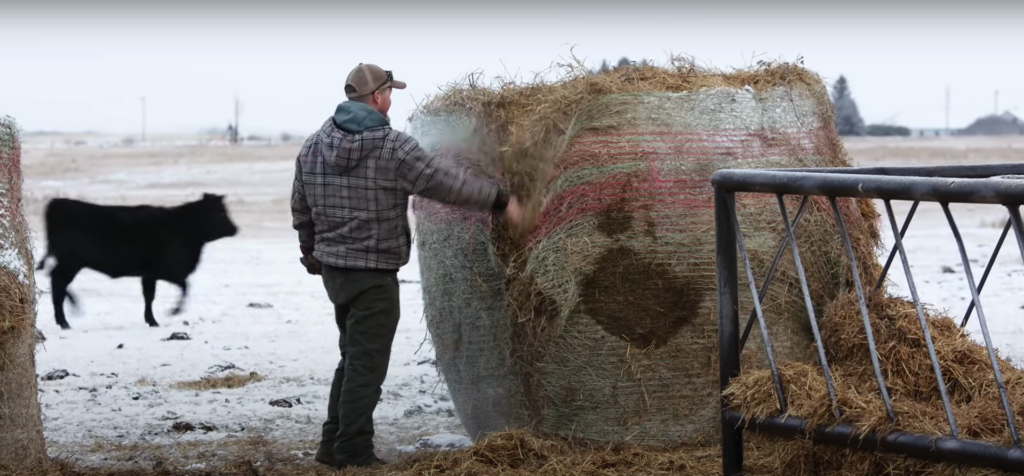
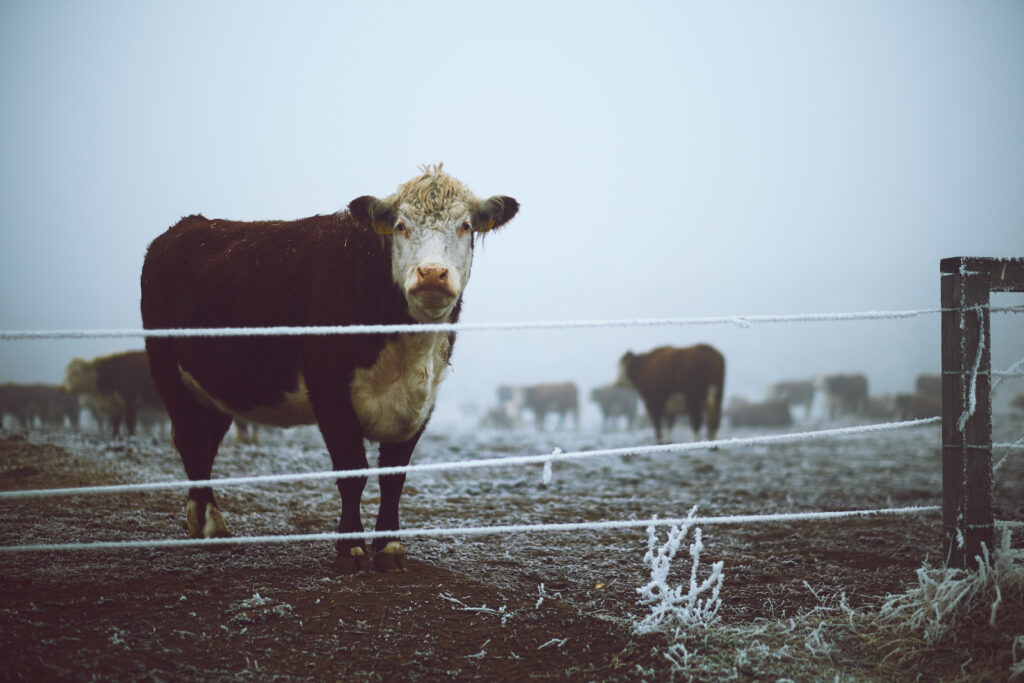
red and white cow behind fence in foggy winter
Click the image to learn more about the importance of biosecurity on your farm, including information on recommended personal protective equipment (PPE) for anyone in contact with livestock.

Farm biosecurity doesn’t have to be complicated. Simple and proactive steps can go a long way towards protecting your beef herd, your livelihood and the broader livestock industry. By planning ahead, setting clear expectations and keeping records, you can confidently welcome visitors while ensuring your tour is safe and enjoyable for everyone.

VBP+ producer portal

Did you know?

Recent updates to the Producer Portal give VBP+ Certified beef producers access to assessment summary reports! In addition to completing renewal assessments on the portal, producers can access these summary reports, their certificate and any outstanding corrective actions. Useful sample records for corrective action resolution can also be downloaded directly from the portal.

Producers who wish to apply for incentives linked to both VBP+ and CRSB certifications will be able to access certificates with a single click.

Until now, assessment summary reports and other documents have been sent to certified beef producers by email, so this update will allow greater flexibility in accessing vital VBP+ documentation, including current VBP+ Certification and active CRSB Certification.

Resolving corrective actions just got easier!

While communicating an outstanding corrective action request (CAR) has also been completed through email, phone or fax to date, upgrades to the portal include a CAR resolution. This feature provides downloadable sample records intended to reduce extra steps for beef producers working to resolve gaps identified during the on-farm assessment.

What can beef producers expect from the summary report?

When operations complete a VBP+ on-farm or renewal assessment, they receive an email with a Summary Assessment Report. The Summary Assessment Report outlines the results of the assessment, the assessor’s summary comments and any corrective action requests.

The Summary Assessment Report outlines results of the assessment, the assessor’s summary comments and any corrective action requests.

As VBP+ delivers two certifications with a single assessment:  the VBP+ Certification and certification to the Sustainable Beef Production Standard maintained by the Canadian Roundtable for Sustainable Beef (CRSB). Beef producers will now receive separate reports for each of these certifications.

The VBP+ Summary Report

The VBP+ Summary Report includes the following information:

  • The operation name
  • The VBP+ Inc. assessor name
  • The date of the assessment
  • Assessment scores determined based on 60 questions from the assessment pillars
  • The assessor’s summary comments
  • Corrective action requests from the assessment with deadlines for resolution
  • Date and scope of the next assessment (records assessment or self-declaration)
  • Other resources including provincial coordinator contact information, assessment experience survey and an appeals and complaints process
VBP+ Assessment Pillars
  • Animal Health
  • Animal Care
  • Animal Nutrition
  • Biosecurity
  • Emergency Response and Preparedness
  • Environmental Stewardship and Conservation
  • Transportation
  • Vulnerable, Distressed and High-Risk Cattle
  • Critical Control Points
  • Medicated Feeds
  • Leadership and Community
  • Coaching and Mentoring

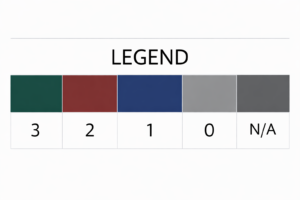
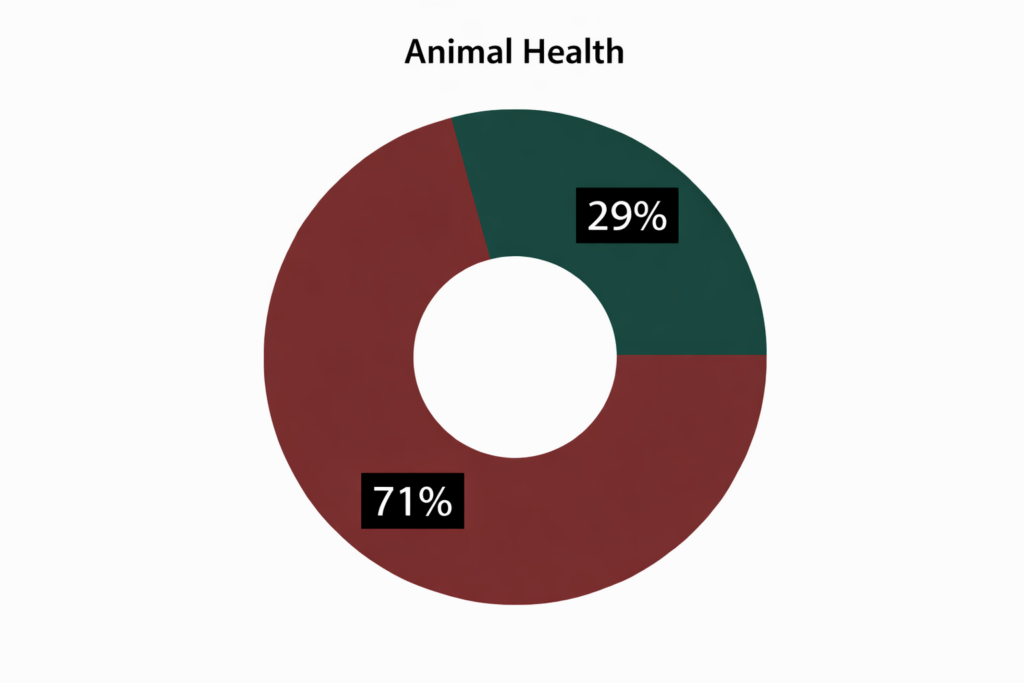
In this example of scoring in one of the 12 pillars, 71% of the questions related to animal health were scored a two and 29% were scored a three. For more information on questions and scoring criteria, consult the VBP+ Producer Manuals.

The CRSB Summary Report

The CRSB Summary Report reflects how an operation scores against the Sustainable Beef Production Standard maintained by the CRSB.

Additional Resources

Are you a Canadian beef producer working toward VBP+ Certification for the first time or preparing for a renewal assessment? 

VBP+ wants to ensure you feel ready and have resources at your fingertips so your on-farm assessment can be completed more efficiently, in less time and with greater ease.

Start Here!

If you are considering certification, training is the place to start. VBP+ training explains the VBP+ Standard criteria and examines the records needed for an on-farm assessment.

Pre-Certification Consultation

Producers who participate in a pre-certification consultation with a VBP+ Coordinator or watch a pre-certification webinar prior to an on-farm assessment are consistently better prepared.

The pre-certification webinar includes valuable tips to ensure the on-farm assessment process is clear and simple. Watch the recording for key information:
•    How to get ready for an on-farm assessment
•    What to expect before the assessor visits your operation
•    Where will the assessor want to visit on your farm
•    Incentives available with your certification
•    CRSB Certification details
•    Q&A for unique operational systems and processes

What To Expect During an On-Farm Assessment

Let’s talk: On-farm assessments are designed to feel like a conversation between you and the assessor. VBP+ assessors are producers themselves and are experienced with cattle production in Canada.

Take a tour: During the farm walk-through, you can plan to show the assessor a variety of areas on your farm such as cattle, calving grounds, water sources, feeding areas, handling facilities, feed storage, pastures, medicated feed storage and equipment, minerals and supplements, non-ruminant feeds, chemical storage, lagoons or septic systems, animal health product storage and delivery equipment. What can’t be covered during the tour (due to remote location or weather) can be explained verbally.

Show off your records: Your on-farm assessment will also include a discussion about critical records. Some certification criteria can be met through verbal descriptions, while others require that you show physical records in the way that works best for you. There is no mandatory record-keeping format, however VBP+ offers a selection of record-keeping templates if you choose to use them. At the completion of the assessment, the assessor will discuss any actions that may need to be taken on your operation to meet specific criteria and work with you to create a plan for corrections if needed.

What Will Be Assessed on My Operation?

To become VBP+ Certified, various criteria are assessed on-farm, providing a holistic view of production practices on the operation.

Animal Health: Examines how animal health products are used on your operation and how cattle health is managed. Criteria are based on the beef industry Hazard Analysis Critical Control Point (HACCP) plan to reduce risks of negative outcomes for cattle health or food safety.

Animal Nutrition: Assesses your operation’s process for ensuring cattle have adequate quantities and quality of feed and water. These criteria include how cattle condition is monitored, how medicated feed is managed and how contamination risks are avoided on the operation.

Animal Care: Examines your processes for cattle handling and shelter, management of painful procedures and animal stress as well as how cattle are regularly monitored on your operation. The requirements for this section are informed by the Code of Practice for the Care and Handling of Beef Cattle.

Vulnerable, Distressed and High-Risk Cattle: Criteria assess how cattle with a poor prognosis are managed on your operation. Specifically, this section covers euthanasia decision making, euthanasia processes and how operations manage deadstock.

Transportation: Examines practices when transporting cattle, including pre-transport checks to ensure cattle are free of withdrawals and physical hazards and are fit for transport, as well as demonstrating an understanding of transport regulations for compromised or unfit cattle and transfer of care documentation for cattle transferred to a new owner.

Biosecurity: Assesses on-farm practices to minimize the risks of disease spreading onto, off and within your operation, including management of animal movements, visitors, tools and equipment. This section also examines how operations work with their veterinarian to prevent and manage disease. This section is informed by the Canadian Beef Cattle Biosecurity Standard.

Environmental Stewardship: Examines how you work to reduce your operation’s impact on the environment, including management of water, air quality, soil nutrients and land resources. This section also examines processes for wildlife management and chemical inputs, as well as practices to prevent foreign objects from penetrating cattle hides on the operation.

Emergency Response and Preparedness: Evaluates your plans to manage disasters or emergencies on your operation. This section is intended to encourage producers to think about how to respond to an emergency before it happens, thereby minimizing damage and stress if an incident were to occur.

Training and Mentoring: Addresses the management of human resources on your operation. Even family operations without hired staff benefit from a plan to ensure a safe work environment and growth opportunities for people working on the farm.

Community and Leadership: Assesses how your operation interacts with the broader community and integrates new technologies and innovations. Innovation and community involvement can mean different things in different operations, so this standard is not meant to be prescriptive, but rather to recognize the efforts beef producers are making as leaders in their communities, the values of their operation and their efforts towards production efficiency.

How Do I Score?

Criteria are assessed with a scoring system from 0 to 3, reflecting the depth of implementation for a particular practice or process on the operation. The scoring system is generally based on the following continuum:

0 – No awareness or knowledge of the criteria

1 – Knowledge and verbal description of how your operation meets the criteria

2 – Records to prove implementation of the criteria along with a verbal description of the process

3 – Written protocol of process and records to prove implementation

Some criteria, called Critical Control Points (CCP), are criteria which require records. These criteria are mostly on-farm food safety criteria and are used to prove a commitment to producing safe and quality beef. CCPs are required criteria. A minimum score of two is required for these criteria. All other criteria are standard criteria. A minimum score of one is required for these criteria.

What Do I Have To Do for Renewal Assessments?

To maintain the rigor of the five-year assessment cycle, VBP+ performs an assessment of your operation every year. The cycle begins in year one with the on-farm assessment. Then, in years two through five of the assessment cycle, simple records assessments and self-declarations replace the on-farm assessment.

VBP+ is here to help!

VBP+ is committed to helping beef producers feel confident and prepared for their on-farm assessment. For more resources, producers are encouraged to contact their VBP+ provincial coordinator for more information or to explore these related resources: