SIMPLE.

PRACTICAL.

TRUSTED.

VBP+ BLOG & NEWS

Producer Interest

This post was developed in collaboration with the Canadian Roundtable for Sustainable Beef (CRSB) and summarizes information found on the CRSB Certified website.

Operations certified under Verified Beef Production Plus (VBP+) are also Canadian Roundtable for Sustainable Beef (CRSB) Certified. We encourage all producers to take full advantage of the benefits offered by both certifications. Read below to review the requirements that enable you to maximize the value of your CRSB Certification.

One Missed Step Is Value Lost

As a CRSB Certified operation, you have the opportunity to participate in certified supply chains, and you could be eligible for incentives like Cargill Qualifying Cattle Credits which reward producers for providing cattle that move through Certified operations from birth up to and including the primary processor at Cargill.

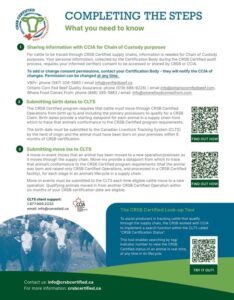
To be considered an active CRSB Certified operation, and for cattle to qualify for certified supply chains, know the following steps are required:

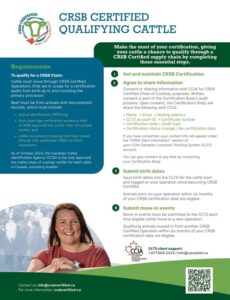
  1. Maintain certification through a CRSB-approved certification body (like VBP+)
  2. Consent to sharing your operation’s information with CCIA for chain of custody purpose
  3. Submit birth dates to the Canadian Livestock Tracking System (CLTS) for animals born and tagged on your operations
  4. Submit move-in events to the CLTS every time cattle move to a new operation

Consent to Sharing Your Operation’s Information with CCIA

Log in to your Canadian Livestock Tracking System account and double-check that it shows “CRSB Client Information” under My Account. 

  • If this section does not appear, it means that you have not consented to sharing, the CLTS won’t see you as an active CRSB Certified operation, and your calves won’t have a chance to qualify for supply chains or qualifying cattle credits.
  • The only information that will be shared with CCIA for chain of custody purposes is your operation name, email, mailing address, CLTS account ID, certification date, audit type, and a certification status change / de-certification date.

To update your settings, contact VBP+ (info@verifiedbeef.ca or call 587-328-5980) and request your consent be added to your account.

CRSB Certified – Maximizing Value for Cow-Calf Producers

As a cow-calf producer, you start the chain, so it is important that you enter your calf birth dates in CLTS.
Birth dates (or birth date range) provide a data starting point for that tag and animal in the CLTS (CRSB Certified supply chain) system.

• Whether you market your calves through an auction market, online marketing platform or a direct marketing group, share your certificate number and make it known that you would like any descriptions of your calves to include your CRSB and VBP+ Certification and that your birth dates have been submitted.
• If you sell directly, let them know you are CRSB and VBP+ Certified and that birth dates (individual or range) for your calves have been submitted to the CLTS.
• Sell to a Certified feedlot or backgrounder where possible, and encourage them to do a move-in event in the CLTS to keep the chain going and keep you both eligible for incentives!
• Current operations certified by VBP+ can be visually validated through the VBP+ Online Producer Sales Listing.
• Ontario feedlots certified by Ontario Corn Fed Beef program are also listed here.

As a Certified feedlot or backgrounder, look for cattle from certified operations. Let your cattle buyers and auction markets that you deal with know you are certified and actively looking for certified calves to buy. Ask your cattle suppliers if they are certified and check that they have consented to sharing information and their birth dates (individual or range) have been submitted to start the chain. 

Buying calves this fall? Submit move-in events to the CLTS every time cattle move to a new operation.

Make sure you submit move-in events in your CLTS account for all cattle that move into your operation. This keeps the chain of custody going to show that animals have come from Certified operations from birth to processing. 

  • If you know the cow-calf operation that cattle came from, contact them to encourage sharing their operation information and submitted birth dates in the CLTS.

Using the CRSB Certification Search Tool

The CRSB collaborated with CCIA to integrate a CRSB Certification Status tool in the CLST/indicator number to view the CRSB Certified status of an animal’s CRSB Certified status by tag/indicator number. Use this tool to verify CRSB Certified status of purchased animals.

Check out the CRSB Certified factsheet, FAQ and June webinar for more.

For help with any of the steps described in this article, contact the CRSB:

You can contact the Client Support Team at CCIA for assistance with submitting data on CLTS at 1-877909-2333 or info@canadaid.ca.

Contact the CRSB if you have any CRSB Certified program questions.
Info@crsbcertified.ca
Facebook
X
LinkedIn
Threads
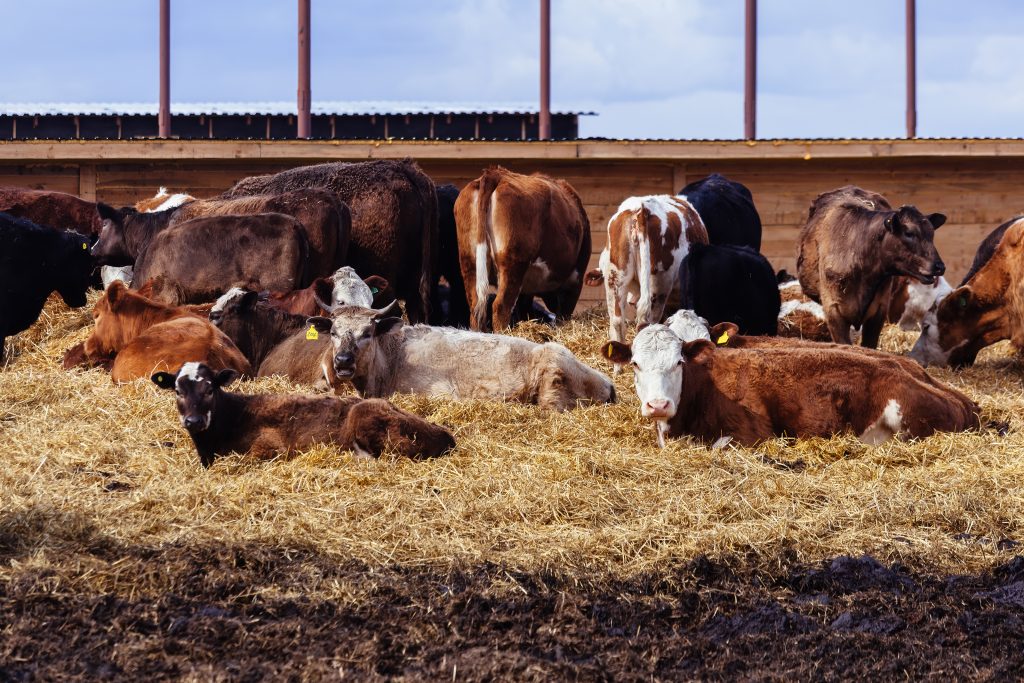
beef cows and calves in bedding

It’s no secret that calving time draws extra attention to keeping pathogens out of pens, but it’s also a time when there are more opportunities for them to come in.

On the latest episode of the Simply Verified Beef podcast, we sat down with three guests to discuss advice for producers who are out shopping for seedstock while calving at home.

Leigh Rosengren

Chief Veterinary Officer

Canadian Cattle Association

Ed Pajor

Director

WA Ranches

Heidi Bennett

Cow Boss and Activity Coordinator

WA Ranches

Of course, newborn calves are more susceptible to disease and calving cows are under more immune pressure than usual. However, we don’t always consider the human pressure at calving time.

“Calving season is such a critical time of year,” says Leigh. “It’s what sets us up for our production for the entire year. We double the population and quadruple the workload. So if you haven’t thought through ahead of time what you’re going to do to protect that herd, you’re certainly not going to be thinking about that during calving.”

Planning ahead with clear protocols for preventing disease in the herd makes executing those practices easier when the time comes. As Leigh puts it, “biosecurity is a mindset. We can think about it as this protocol that you write and put away, but biosecurity really works best when we think about it as a daily practice.”

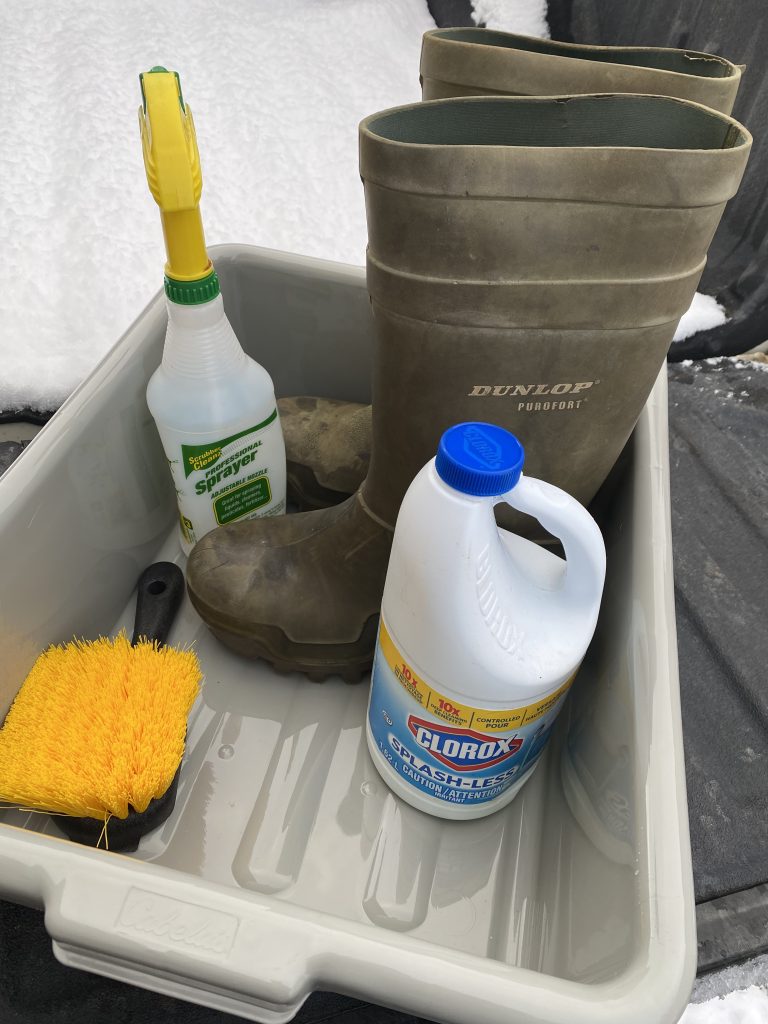
Biosecurity can be intimidating, so it often helps to hear what other producers have had success with. Here’s what Leigh, Heidi, and Ed recommend when out looking for bulls or other breeding stock:

boot cleaning

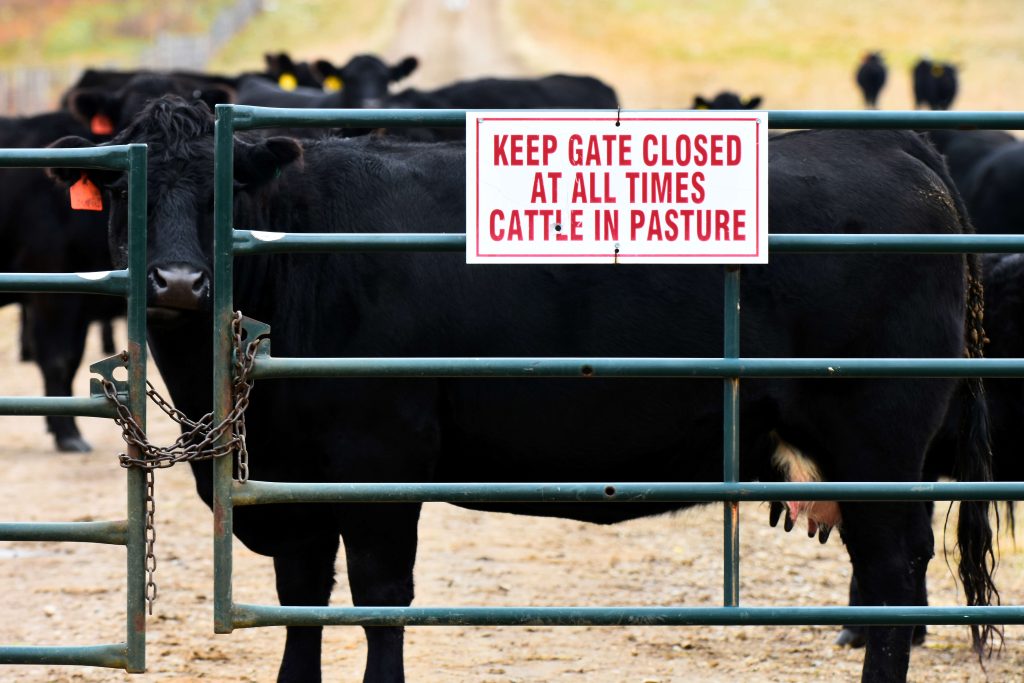
Of course, producers selling seedstock also need to consider the risks of having visitors who handle cattle come to their farm. Here are the group’s tips for sellers:

keep gate closed at all times cattle in pasture

For seedstock producers, it can be hard to set expectations for visitors. A welcoming, customer-forward atmosphere is important for any production sale or for private treaty buyers. But as Leigh and Heidi point out, producers are looking to buy breeding stock from operations with solid herd health. “They’re protecting their program, which means you will protect your program as well,” says Heidi. Demonstrating attention to biosecurity could be a selling point.

In most cases, biosecurity is viewed as more about avoiding problems than promoting solutions. “Sometimes you don’t really know when you’re being successful unless you’re tracking things,” says Ed. Keeping good records and promoting the hard work you put in to protect your herd should be celebrated as success!

Often in the beef industry, producers de-prioritize their own physical and mental health. It’s easy to justify sacrificing our own wellbeing for the sake of getting the job done. But what if leaving humans last on the list has an impact on more than just people?

Dr. Michelle Calvo-Lorenzo is the Chief Animal Welfare Officer for Elanco. With much experience in the feedlot realm, Dr. Calvo-Lorenzo gained an interest in how humans interact with livestock. Now, she has a wealth of knowledge surrounding the impact of human mentality on animal welfare.

Unfortunately, animal welfare is a term without a consistent definition and means many different things to different people. Dr. Calvo-Lorenzo prefers the definition used by the World Organization for Animal Health (WOAH), which explains animal welfare as “the physical and mental state of an animal in relation to the conditions in which it lives and dies.”

“What I love about that definition is that it takes into account two important things,” says Dr. Calvo-Lorenzo . “One, that we have to use science-based evidence in order to determine the quality of life for an animal in different areas, including the mental state. But also, just as importantly, this definition is the first I have seen that  integrates and honors the importance of humane care for animals throughout their life.”

Often, we only think of animal handling as the times where we bring cattle through a squeeze chute. However, as Dr. Calvo-Lorenzo explains, animal handling encompasses every point of interaction that we have with cattle, including euthanasia, feeding or cleaning water tanks, or even something as simple as walking through a pen to check cattle. The goal must be to aim for positive human-animal interactions every time, Dr. Calvo-Lorenzo explains, and cattle caretakers can achieve this if they recognize that cattle handling encompasses every way we approach cattle through tactile, auditory, and visual interactions.

The VBP+ program has entire modules that focus on how to decide which animals are fit for transport or may need to be humanely euthanized. These are judgement calls that rely on human decision-making, and therefore can be influenced by how a person feels, acts, and thinks.

There are many theories about animal welfare out there, but Dr. Calvo-Lorenzo’s preferred model is the Five Domains (Nutrition, Environment, Health, Behavioural Interactions, and Mental Domain). This model is intended to provide a coherent assessment of animal welfare, including both the avoidance of negative outcomes and enhancement of positive outcomes relative to animal welfare status. In addition, it’s the first model that accounts for the animal welfare implications of human-animal interactions.

A study performed by Texas A&M researchers determined that employees like pen riders and doctors who work more frequently with cattle tend to perceive beef cattle more poorly (Ridge, Gill, & Daigle, 2019). Processors had poorer satisfaction with their jobs and less comfort with euthanasia. Despite high levels of knowledge and experience, the study noted that staff were typically underpaid and overworked.

Working conditions impact how stock people feel about their jobs and the animals they work with. Texas A&M researchers have also noted that investing in more than skills training, such as reinforcing the value of an employee’s work, positively impacts their attitude towards livestock and in turn, animal welfare outcomes.

“Attitudes, beliefs, and perceptions about the animals you work with all motivate behaviour,” explains Dr. Calvo-Lorenzo. “And the behaviours of people are what is imposed on the animal. So, if you have a person that believes that animals should be treated with respect, then that will influence the way they approach the animals.”

Of course, taking the time to offer training and maintain a positive workplace takes time and sometimes money. But as data shows, when employee attitudes change, not only do livestock fear states decrease, but productivity increases – that’s a positive to your bottom line.

Today’s labor gap is a challenge, and keeping skilled workers on your operation is key. Training a new employee after losing a good worker is costly, and is another reason why worker mentality matters to the bottom line.

“The culture of an operation is incredibly important,” says Dr. Calvo-Lorenzo. “With the right culture in place, not only will people do things right, but they’ll be motivated to do things better and better every day. And this enhances the culture, which feeds into a positive cycle where worker morale isn’t low, people aren’t going to cut corners, there’s loyalty to the operation, and turnover rates are reduced.”

While in an ideal world, every producer and their employees would have a small, manageable workload and a high budget for salary, bottom lines are tight and it can be tough to find experienced workers. But salary isn’t everything. “In the US, we’ve met people who are willing to work for slightly less per hour at an operation if the workplace culture is a better fit,” explains Dr. Calvo-Lorenzo.

Workplace culture is easy to picture in a formal business model, but what about in a scenario where staff is family, like so many Canadian beef cattle operations? “My advice for this scenario is to prioritize expectations for maintaining a professional workplace and treating each other with respect as professionals,” says Dr. Calvo-Lorenzo.

In the VBP+ standard, a code of ethics and training for people on the operation are encouraged. For many producers, these elements seem like something meant for the corporate world and feel too structured and rigid for the family feel we are used to. However, a positive and professional workplace culture can take the form of an unspoken atmosphere of respect and value in the work being done.

Creating a team of people committed to doing their jobs to the best of their ability can make a real difference to the viability of your operation. This approach makes managing healthy, content, and productive cattle the priority, with the added benefit of keeping your people healthy, content, and productive too.


Sources

Ridge, E. E, Gill, R., and Daigle, C.L. (2019). Evaluation of the Texas Feed Yard Workforce: Survey of Stockperson Attitudes and Perceptions towards Euthanasia, Animal Care and Employee Value. American Journal of Animal and Veterinary Sciences, 14(2), 139-150. https://doi.org/10.3844/ajavsp.2019.139.150

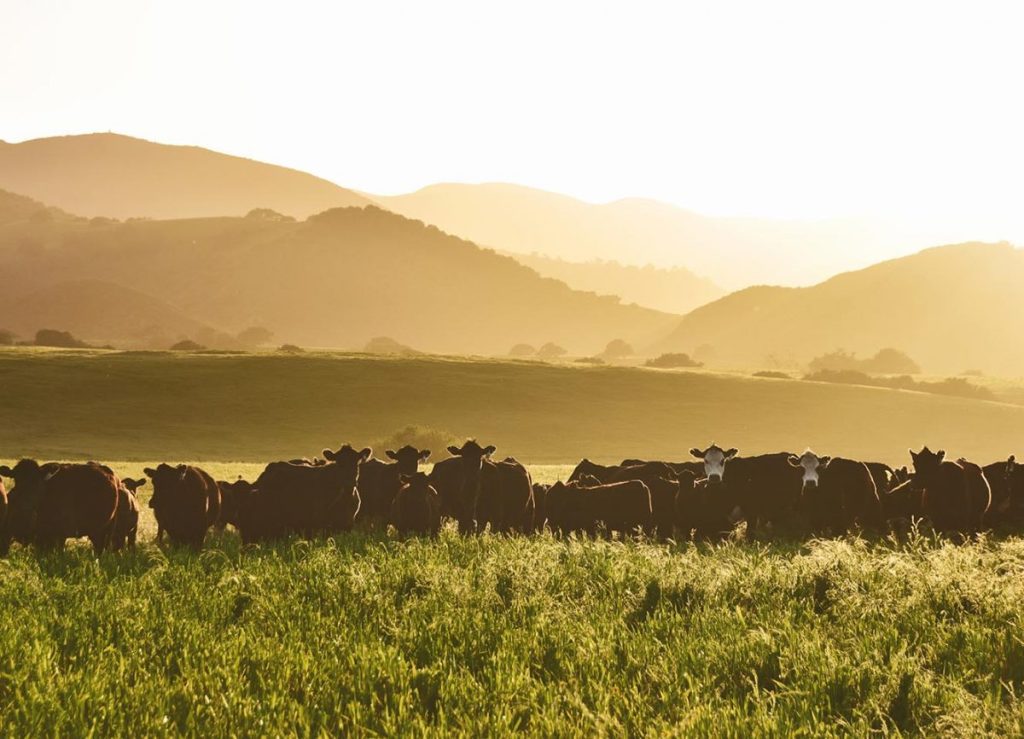
black beef cattle with green pasture and hills

Producers who are certified with VBP+ (audited) are asked to provide information updates every year. There are some excellent reasons for asking for this information. Some of these reasons relate to how we report aggregated data to our stakeholders, who have a vested interest in the value of VBP+, or some items have a direct reporting function for qualification in supply chain programs, such as the Cargill Certified Sustainable Sourcing program.

First, let us discuss what items for which we request information updates. We regularly ask producers to review and update their contact information. If producers change their name, address, postal code, email, primary phone number, etc., we ask that you update that information. These updates allow us to have the most current information if, for whatever reason, we need to contact you. Remember, we would never share this information with anyone without your permission.

We also ask producers to update their head numbers every year. These numbers are a metric that we provide aggregated (not individual) data to stakeholders. For example, twice per year, we provide the Canadian Roundtable for Sustainable Beef with the number of cattle under the management of VBP+ certified operations. This is an impressive number! As of February, there are 1,547,000 head under management. It is important that we have confidence in these numbers when we report, which is why we ask producers to update their numbers every year as we know circumstances change.

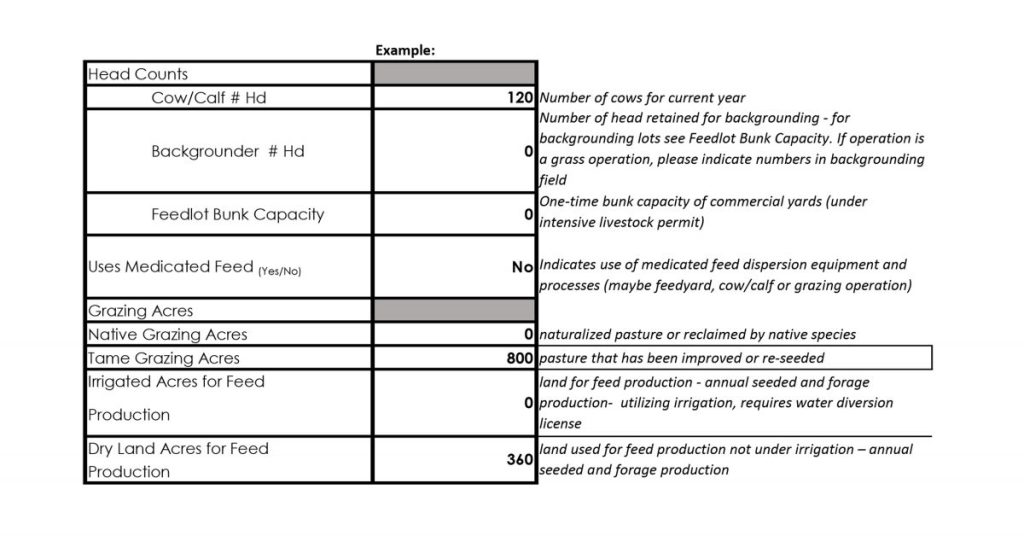
We are adding some new information fields, which are of interest to not only stakeholders, but we feel would be of future value to producers participating in VBP+. These information fields pertain to acres under the management of VBP+ certified producers, particularly grazing acres and acres for feed production.

There needs to some clarification about how these fields are defined for the purposes of our reporting. We know that not all information requests fit nicely into simple fields, so what is represented here is how we have determined the definitions so we can clearly articulate what we are reporting.

Let us start with grazing or pasture acres. We have split grazing or pasture acres into native grazing acres and tame grazing acres. These are pasture acres that are grazed, not utilized for forage production, although it is understood that acres, especially tame acres, may be utilized for forage production then grazed. We do not want acres that are used for these dual purposes to be double reported; what we need is the primary use of these acres. These can change from year to year based on conditions, which is why we have added these fields to the annual information update.

Native or naturalized acres can be defined as pasture acres that are unimproved or have been returned to a natural state (naturalized). Unimproved acres are defined as pastures that have not been tilled or direct-seeded. This is a tricky area. It brings up questions on individual scenarios and has been difficult to define previously.  If we leave our definition as acres that have been unimproved or returned to a natural state with natural grass species for 30 years, we can begin to collect this data and potentially contribute to a more concise definition for our whole industry.

Tame or improved acres are defined as acres used for pasture that have been tilled (including direct) and re-seeded utilizing plant or grass species not native to the area. This is an important distinction because it provides information on acres that have been returned to pasture, how often land is returned to a grass rotation and production estimates for improved pasture. Land utilization is an important discussion, and it is, as an industry, in our best interest to collect and report this information as accurately as possible. It is of great value to producers to participate in the VBP+ certification program to show commitment to responsible land management, confirmed by VBP+ certification.

Acres for feed production have been defined as irrigated and dryland acres and include acres utilized for forage (hay) production. Irrigated acres include acres utilized by the operation for grain production, silage production, hay production, etc. Even if the product of these acres is sold as a commodity, it is important to include as they are under the management of a VBP+ operation. Irrigation can be defined by the presence of a water diversion license for irrigation.

Any other acres under the management of the VBP+ operation can be defined under the dryland acres for feed production field. So, acres used for the production of grain, hay, silage, swath grazing, including both annual and perennial crops that are not produced using irrigation. All acres reported can be owned acres, rented acres or leased acres; as long as they are under the management processes and practices verified during certification.

VBP+ record keeping example

This might seem like a lot of information to gather and report, but there could be substantial potential value to producers who participate in VBP+ certification, so we are proactive in collecting and reporting this data. We are looking forward to the results of the reporting of this aggregated data. What a great story to tell that (estimated) 10,000,000 acres of land are under the management of VBP+ certified producers.

VBP+ represents beef producers across the country at many different levels. Our goal is to ensure that the VBP+ program remains valuable and attainable at a producer level. VBP+ certified producers have a great story to tell, and when we present aggregated information that is accurate to third-party organizations, policy developers, and stakeholders, it is a powerful message.