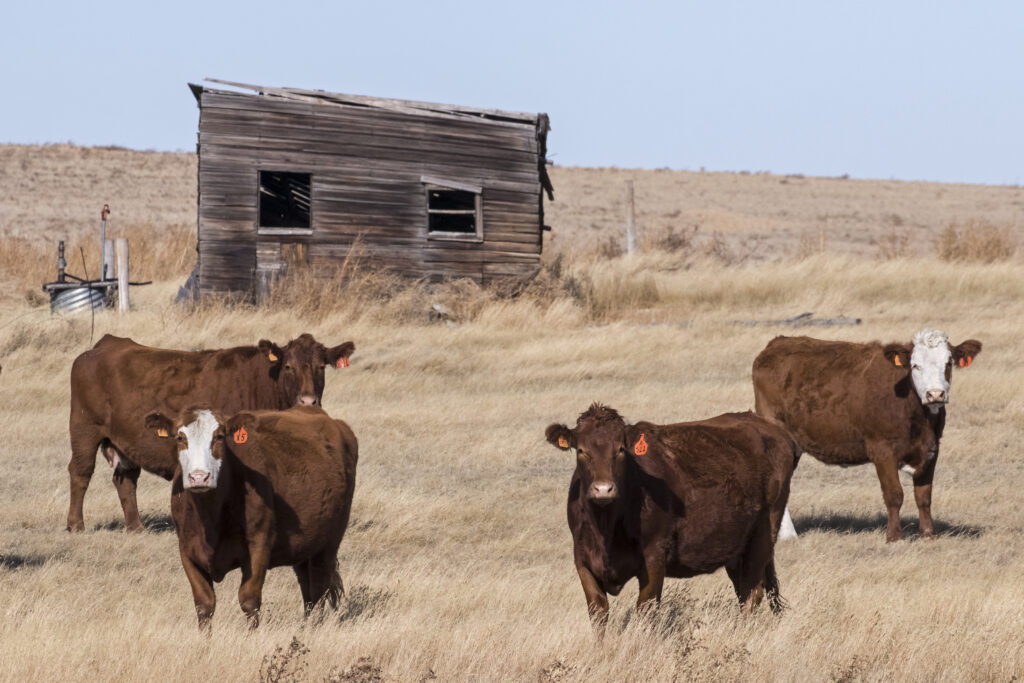
Even the smallest things can cause real trouble for cattle on your operation. A single piece of metal or a stray shotgun pellet can go unnoticed in cattle during production, only to be discovered at processing. Even clean pastures and well-maintained handling facilities can contain hidden hazards that are not immediately visible.
Cattle are naturally curious and interact closely with their environment. Because of this, rubbing, pushing and exploring their surroundings increases risk for foreign materials such as hard plastic or metal to become embedded in hides or tissue.
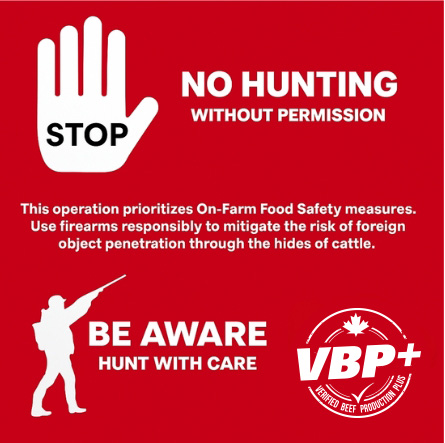
Other risks come from beyond the farm gate. Cattle grazing pastures or woodland areas may be exposed to stray birdshot or buckshot from nearby hunting activity.
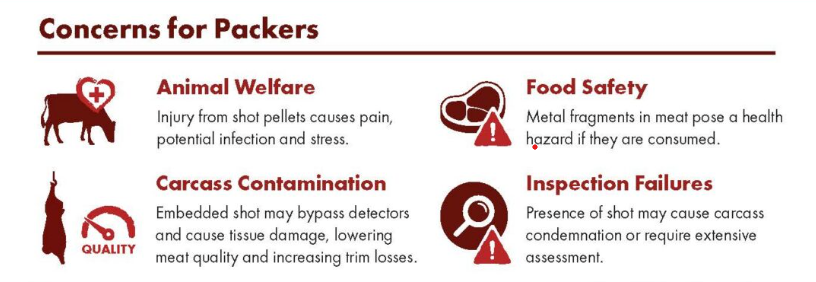
Once these foreign objects are embedded, they can compromise animal welfare, reduce carcass value and raise food safety concerns, creating costly challenges for Canadian beef producers and processors alike.
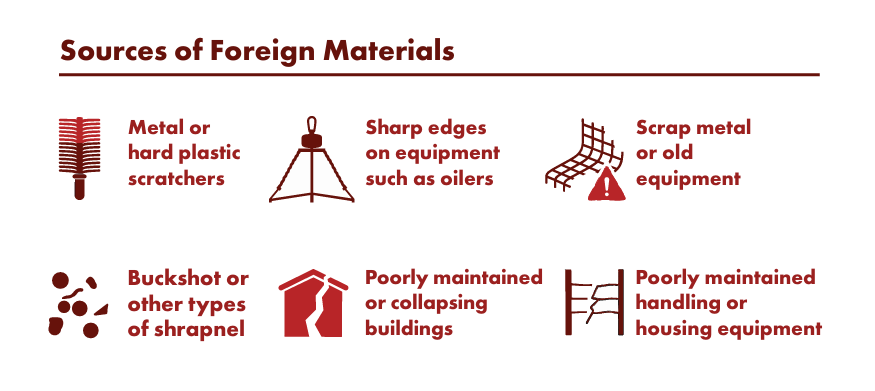
Foreign objects that can penetrate cattle hides may originate from a range of on-farm and environmental sources:
Foreign material contamination has implications across the entire beef value chain:
These outcomes increase production and processing time and costs. Preventing these risks at the farm level is essential to maintaining consumer confidence in high-quality beef products.
Farmers and ranchers play a critical role in reducing the risk of foreign material contamination in hides and meat:
Signs are available for purchase from the Verified Beef Production Plus Store.
Packers play a critical role in maintaining beef safety and product integrity. They do this by carefully inspecting carcasses for any signs of foreign material and pellet damage.
When suspected cases are identified, they can be reported through the Verified Beef Production Plus (VBP+) program using the Foreign Object in Carcass Reporting Form. It is also important to document each incident thoroughly so that appropriate corrective actions can be taken.
In addition, packers can report and resolve all suspected cases in accordance with internal Hazard Analysis Critical Control Points plans, supporting a consistent, science-based approach to food safety and continuous improvement across the supply chain.
Foreign material contamination in cattle hides and meat is a risk that requires attention at all stages of beef production. While the impacts aren’t always visible on the farm, they can surface later, affecting carcass value, processing efficiency and market outcomes.
By maintaining safe environments, routinely inspecting facilities and managing external risks such as hunting activity, producers can help reduce the likelihood of foreign material in cattle. Proactive management not only supports animal welfare, but also helps protect product quality, minimize economic losses and maintain confidence in Canadian beef.