SIMPLE.

PRACTICAL.

TRUSTED.

VBP+ BLOG & NEWS

Emma Cross
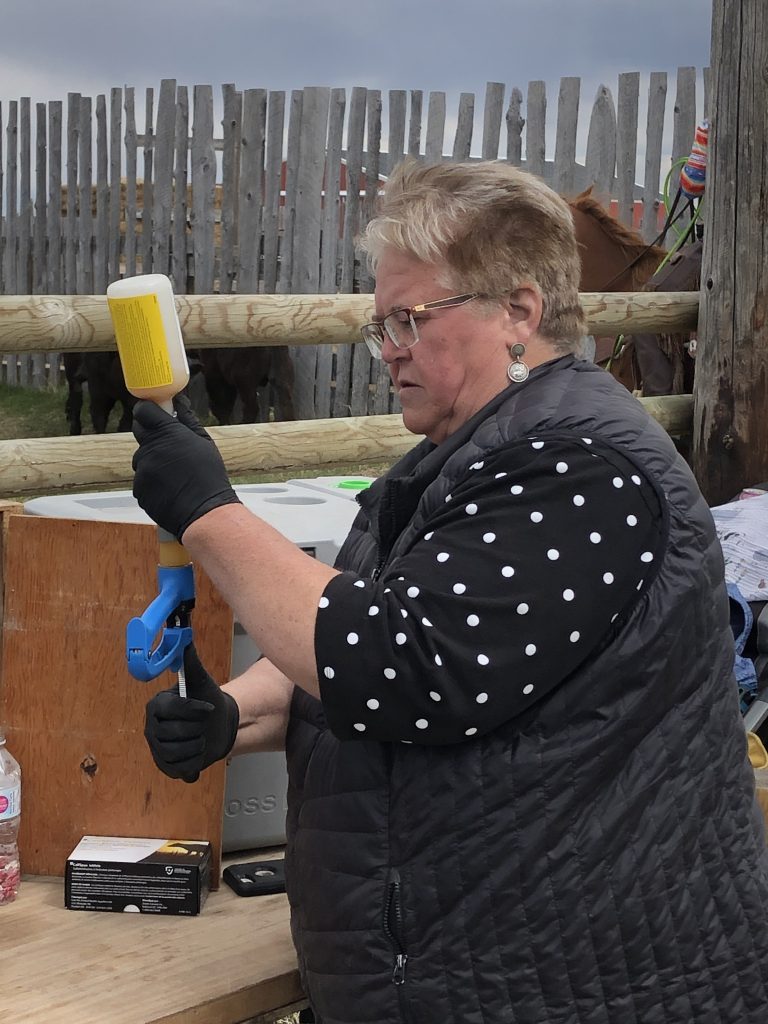
beef producer filling syringe
Having one person responsible for managing vaccines (mixing, filling syringes, monitoring temperatures in coolers) or other medications can increase efficiency and ensure good management practices to prevent cross contamination of vaccines and recommended needle changes in the branding pen. Photo credit: VBP+

The days are getting longer, the seasons are shifting, spring is on the way! On your beef cattle operation, the task of the season is changing too. Transitioning from calving season through seedstock sale season, spring means branding season is just around the corner.

The branding pen can be chaotic, with lots happening at once. A little preparation ahead of time can go a long way. The first step is determining what your spring processing protocol for young calves will be. If you have already had a discussion with your veterinarian about your annual herd health protocols, such as spring calf processing, you will likely have many of these answers. Not all operations are alike but here are some protocols to discuss with your veterinarian; vaccine protocol, pain mitigation protocols and implant protocols (if it applies to your operation). VBP+ has a herd health protocol template you can take to your veterinarian if one is not provided. You can find it here.

Once you have your product requirements, you can plan for the equipment needed  such as syringes, needles, sharps containers and animal markers to name a few Is the equipment you need clean and in good working order? Are your multi-dose syringes calibrated? Now is a good time to check. A malfunctioning syringe that dispenses either too much product can cost you money and run you short of vaccine. It’s a good practice to give your syringes a spring cleaning using only hot water. Never use any detergent/soap to clean syringes, as any residue can affect your vaccine. Also remember never to use a syringe that was used for antibiotics as your vaccine gun – when possible, label and use designated syringes for vaccines.

Planning for your people resources is important too. Depending on what your spring processing/branding protocol is, there will likely be multiple people descending on each calf either on the ground or in the table, many of them friends or family that help out once a year. Are they aware of any biosecurity concerns or protocols on your operation? Do they need a refresher on how to give sub-cutaneous and intramuscular injections properly and safely? A reminder on how to move around the pen to keep themselves, others and animals safe? Who do they go to if they have questions or if something goes wrong?

Create open communication with your volunteer crew about possible deviations that could occur during branding (ex. animal moved and missed giving the full injection, calf was let go before injection was given). The last thing you want is someone to make a mistake (for example, breaking a needle in an animal or double vaccinating) and you don’t know about it. A quick meeting or training session before the big event can help you to make sure everyone involved knows your operation’s on-farm food safety, biosecurity or animal care objectives and values.

Keep your individual and group treatment records handy to include any treatments and vaccinations done on branding day. It’s also a good idea to keep extra RFID tags around in case you find a calf that has lost one.

Sometimes, calves can have adverse reactions to vaccines. Keep yourself prepared with epinephrine on hand. You can also prepare yourself for other accidents or emergencies by keeping a first aid kit handy and having a plan to extinguish a fire around the branding pot.

Brandings are a good way to get many spring tasks knocked off the list prior to pasture turnouts and indulge in a little social connection with family and friends. Plan for a successful and safe branding day. You, your operation and your livestock will be the better for it.
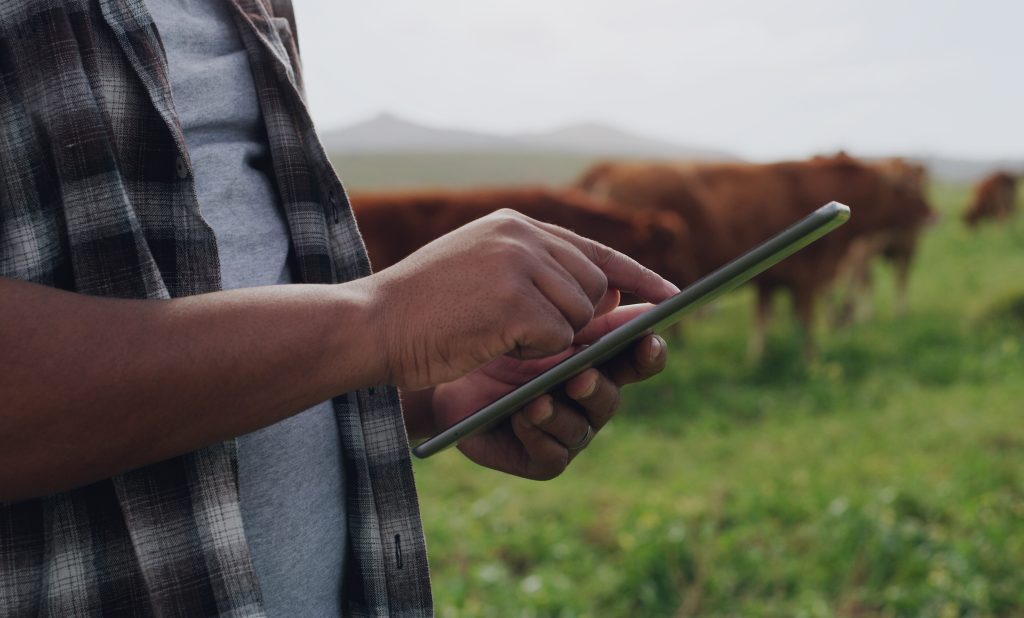
agriculture management with VBP+ online tools
Planning for re-certification can make the experience smooth and convenient. Photo credit: VBP+ stock photo.

What happens at the end of the five-year certification cycle? What can I do, as a producer, to ensure my certification (s) remains active while we work through the logistics of re-certification? These are questions we get often, so we will walk you through the process.

When your operation has completed the initial on-farm assessment and your certifications (VBP+ and CRSB) become active, the date of that initial on-farm assessment becomes your Anniversary Date. Your certification events, records assessments and self-declarations, next on-farm assessment and notifications around these events are based on that Anniversary Date. That Anniversary Date is also an important guideline to maintaining an active certification. Your certification is active from the one Anniversary Date to twelve months after, or the Anniversary date of the following year.

VBP+ Delivery Services Inc. (VBP+ Inc.) sends notifications of the annual re-certification events (records assessments, self-declarations and the next on-farm assessment starting three months prior to the Anniversary Date. This is done to ensure that you, the producer has everything they need to complete the requirements prior to or by the Anniversary date, maintaining your active certification. When you have completed the requirements and receive your active certificate, you will also be informed of what your next event will be and what your Anniversary Date is. For example, when you complete the Year 5 Self-Declaration, you will receive your active certificate and your assessment report. The report will include a summary of the assessment, any corrective actions assessed, what your next assessment event will be and when it is due.

When you receive that Year 5 assessment report and active certificate, there are a few things you can be thinking about prior to your next on-farm assessment.

  • Are you going to renew your certification? There are benefits to maintaining your certification, you can check them out here.
  • Is your Anniversary Date working for you and your operation? If your initial on-farm assessment occurred during a time that is inconvenient, we can adjust to a time prior to that Anniversary date (this is important) that is more convenient.
  • Does your operation need some pre-certification support? Your provincial coordinator is more than happy to walk through the certification process and requirements with your operation prior to your assessment.
  • Coordinating the logistics of the re-certification process, application, payment, assigning an assessor, finding a time that works for both your operation and the assessor can be a time-consuming process. Don’t leave any of these steps to the last minute, communicating with our certification coordinator early, at least three months prior to your Anniversary Date can help ensure the re-certification process is smooth and convenient for your operation and avoid disruption to the active status of your certification.

Renewing your certification doesn’t have to be stressful or inconvenient. VBP+ and VBP+ Inc. can help with any questions you might have or have a look through our resources to see if there are any that might enhance your records or help your operation speak to their practices, processes or values. Check them out at www.verifiedbeef.ca.

barley crop

In many parts of western Canada this year, rain came early and made for a solid grass year. Unfortunately, the rest of the summer brought mostly extreme heat with little moisture other than a handful of storms that brought extreme wind and hail with them. This has left many grain farmers looking to salvage their damaged crops by repurposing them into livestock feed. 

Cattle are the ideal up-cycler for products that aren’t suitable for human consumption, but there are a few factors to take into consideration to make sure that salvage is successful.

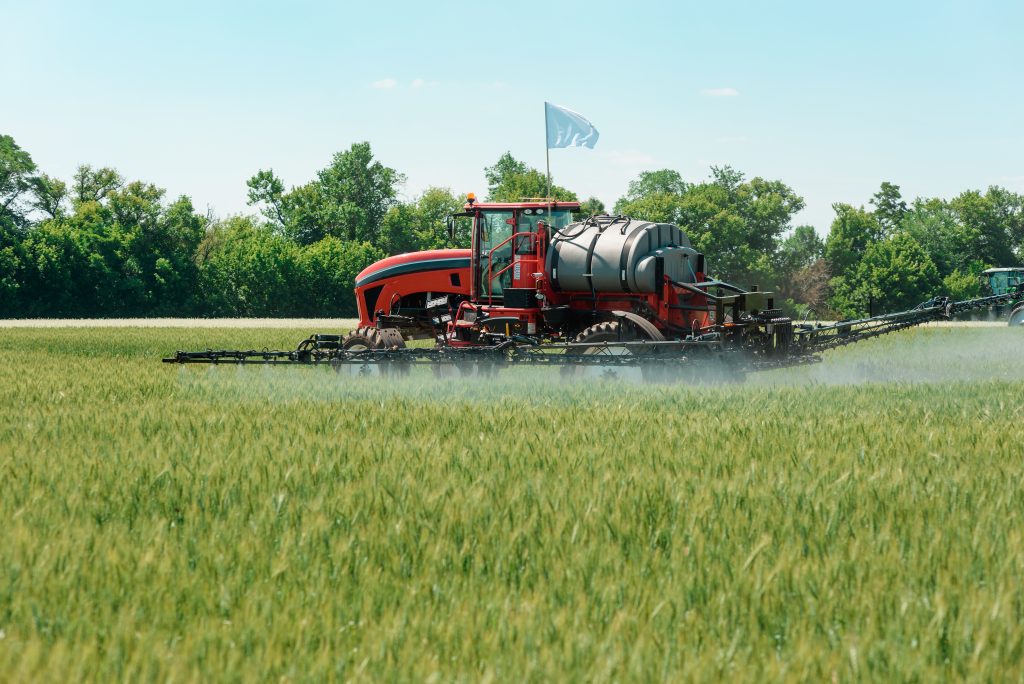
sprayer in crop of wheat

Chemical Withdrawal Times

When farmers are planning on using a crop to produce grain, whether for human or livestock consumption, they use different pesticides than they would if they planned for livestock to graze the crop standing. Each product has a label that indicates restrictions, warnings, and guidance on using crops for livestock feed. Reading and following the label will prevent any harm to livestock when salvaging these crops, and also prevent any chemical residues from ending up in carcasses.

Every product is different in terms of its restrictions for livestock feed, but a couple examples of guidelines you might encounter are:

For more tips on following chemical withdrawal times, check out our Salvaged Feed Fact Sheet:

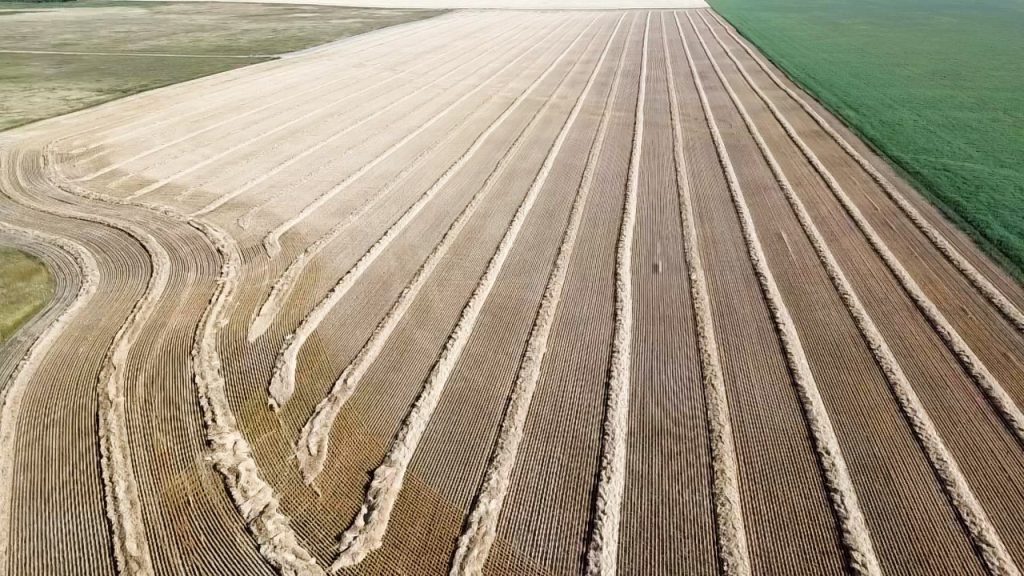
aerial view of swaths

Feed Testing

If a crop is up for salvage, it’s probably been damaged in some way, which also has impacts on the nutritional composition of the crop. Feed testing is important to make sure that the nutrients (energy, protein, etc.) in the crop can be fit into a whole ration to get cattle what they need, but also to make sure there’s nothing potentially concerning in the feed.

A common concern in salvaged feed during a drought is high levels of nitrates and sulphates. While not necessarily toxic on their own, high nitrate or sulphate levels in feed can compound higher levels in other feed ingredients or even water. Feed testing lets you understand what you’re working with so that you can work in salvaged feed without causing unintended harm.

For more tips on alternative feed sources and testing feed, check out the Beef Cattle Research Council’s Alternative Feeds page:

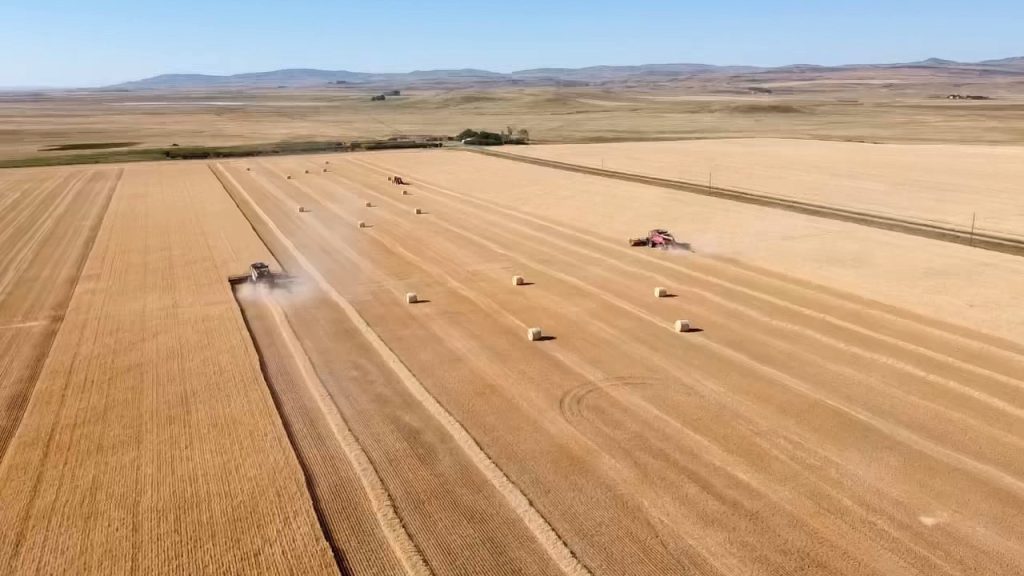
aerial shot of combining and hay bales

Setting a Price

For a mixed farm, it’s easy enough to take a salvaged crop from one enterprise and feed it to livestock in another. But what about grain farmers who might be looking for a neighbour with cattle that could use some feed?

It can be hard to figure out how to put a price on salvaged feed – after all, it’s not a typical avenue for marketing, hence the term salvage! Luckily, the Beef Cattle Research Council has a calculator to help put a value on salvaged crops:

VBP+ is excited to announce the launch of Shop Verified Beef – a web store for the Canadian beef producer! 

Our team is committed to offering value to producers, and we’ve come up with a suite of items that we feel will do just that.

The web store will offer items in two main categories:

VBP+ roping gloves, toque and cap

VBP+ Swag items are wearables or usable items that let producers rep the VBP+ brand! Swag items are priced according to the cost to ship the item.

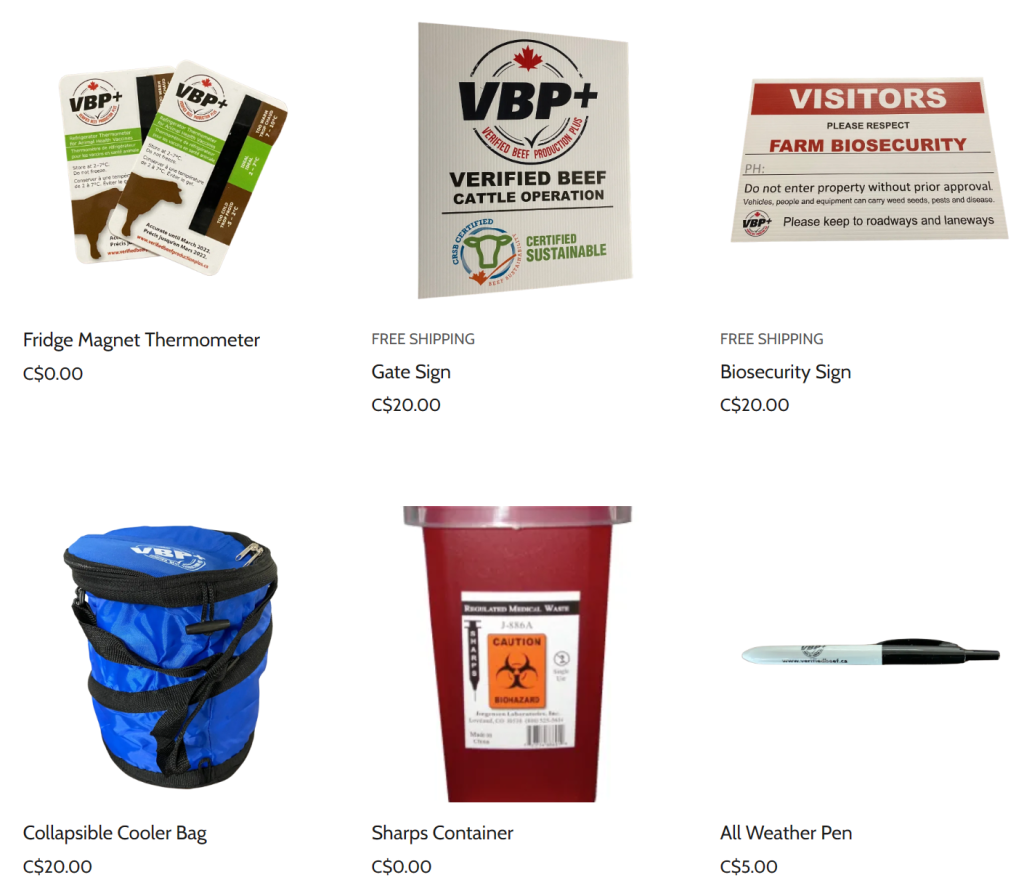
VBP+ biosecurity sign, gate sign, magnet thermometer, cooler bag, sharps container, all weather pen

Tools for the Farm includes items that are useful for beef producers, whether certified or not. This includes items like sharps containers and cooler bags that help producers use animal health products safely and effectively, but also includes signage like farm biosecurity signs or additional Certified Operation signs for producers with multiple sites. 

Tools for the Farm are also priced according to shipping, but many of the small items are free of charge to allow producers easy access to tools that can help them out, particularly if they are involved in the VBP+ program.

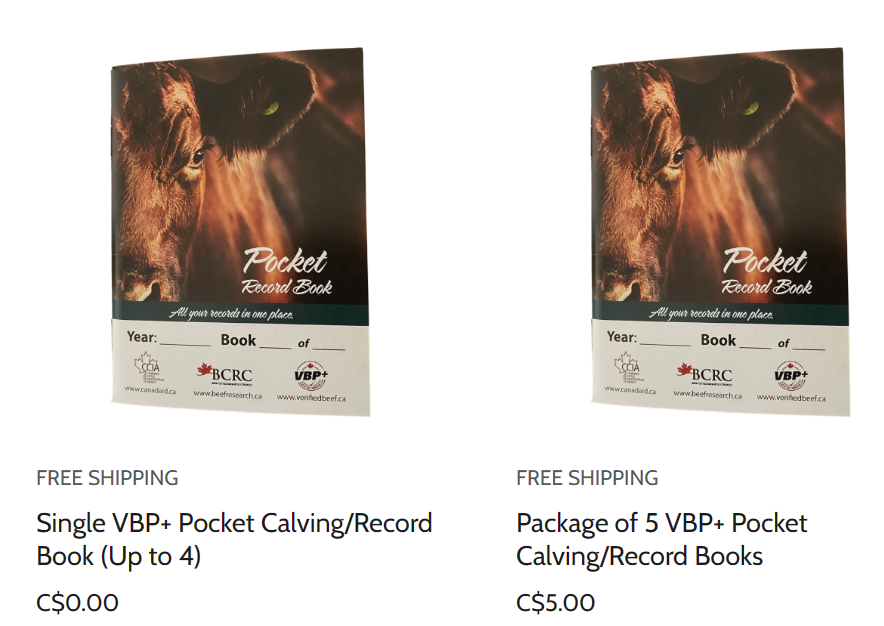
pocket calving record book from VBP+ and BCRC

Under the Tools for the Farm category, you’ll also find access to order the VBP+ Pocket Calving/Record Book! If you’re looking to order 1-4 books, you can place an order free of charge using the option pictured above on the left. For larger quantities, you can order books in packages of 5 to cover shipping costs of larger numbers.

We’re always looking for new ideas for items that would be of use to Canadian beef producers. Items in the works for the future include:

  • Printed VBP+ resources, like record templates and manuals
  • Cowboy briefcases (hold animal health materials on a fence board)
  • Treatment thermometers
  • And more…
Got suggestions for new items? Drop your ideas in the message box below!
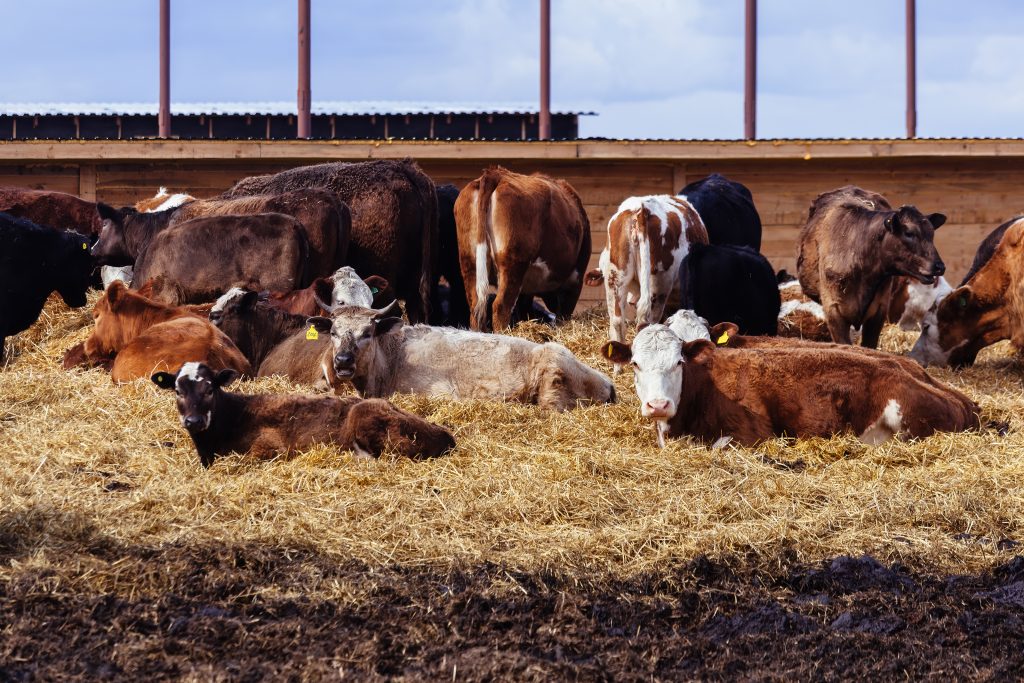
beef cows and calves in bedding

It’s no secret that calving time draws extra attention to keeping pathogens out of pens, but it’s also a time when there are more opportunities for them to come in.

On the latest episode of the Simply Verified Beef podcast, we sat down with three guests to discuss advice for producers who are out shopping for seedstock while calving at home.

Leigh Rosengren

Chief Veterinary Officer

Canadian Cattle Association

Ed Pajor

Director

WA Ranches

Heidi Bennett

Cow Boss and Activity Coordinator

WA Ranches

Of course, newborn calves are more susceptible to disease and calving cows are under more immune pressure than usual. However, we don’t always consider the human pressure at calving time.

“Calving season is such a critical time of year,” says Leigh. “It’s what sets us up for our production for the entire year. We double the population and quadruple the workload. So if you haven’t thought through ahead of time what you’re going to do to protect that herd, you’re certainly not going to be thinking about that during calving.”

Planning ahead with clear protocols for preventing disease in the herd makes executing those practices easier when the time comes. As Leigh puts it, “biosecurity is a mindset. We can think about it as this protocol that you write and put away, but biosecurity really works best when we think about it as a daily practice.”

Biosecurity can be intimidating, so it often helps to hear what other producers have had success with. Here’s what Leigh, Heidi, and Ed recommend when out looking for bulls or other breeding stock:

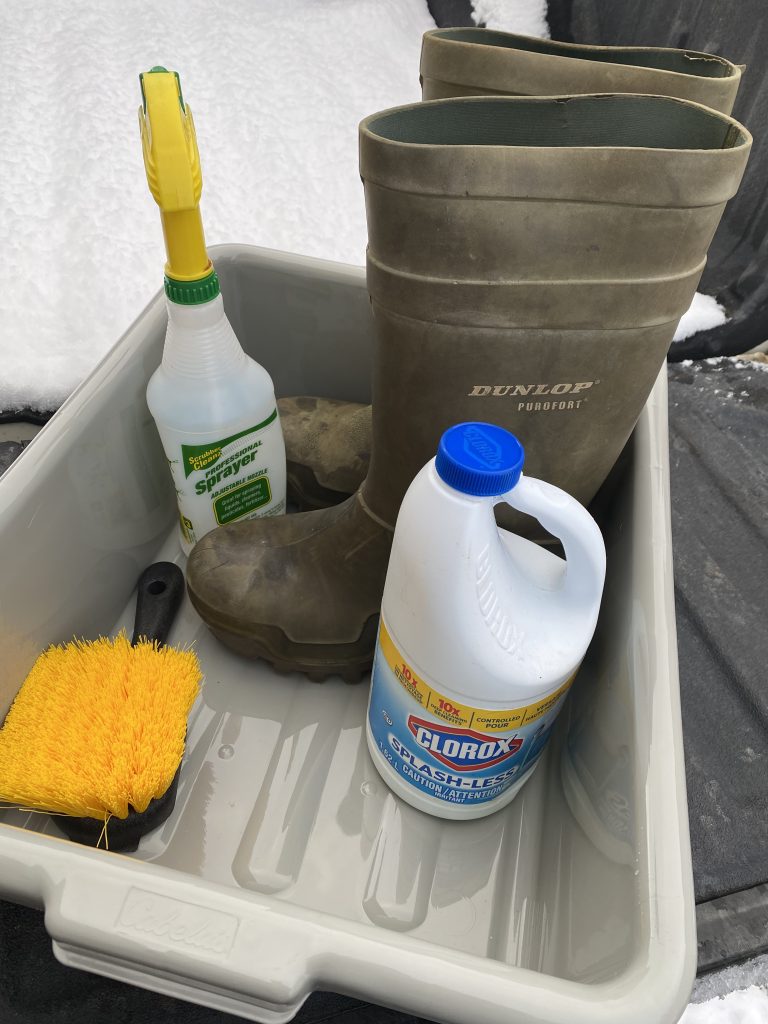
boot cleaning

Of course, producers selling seedstock also need to consider the risks of having visitors who handle cattle come to their farm. Here are the group’s tips for sellers:

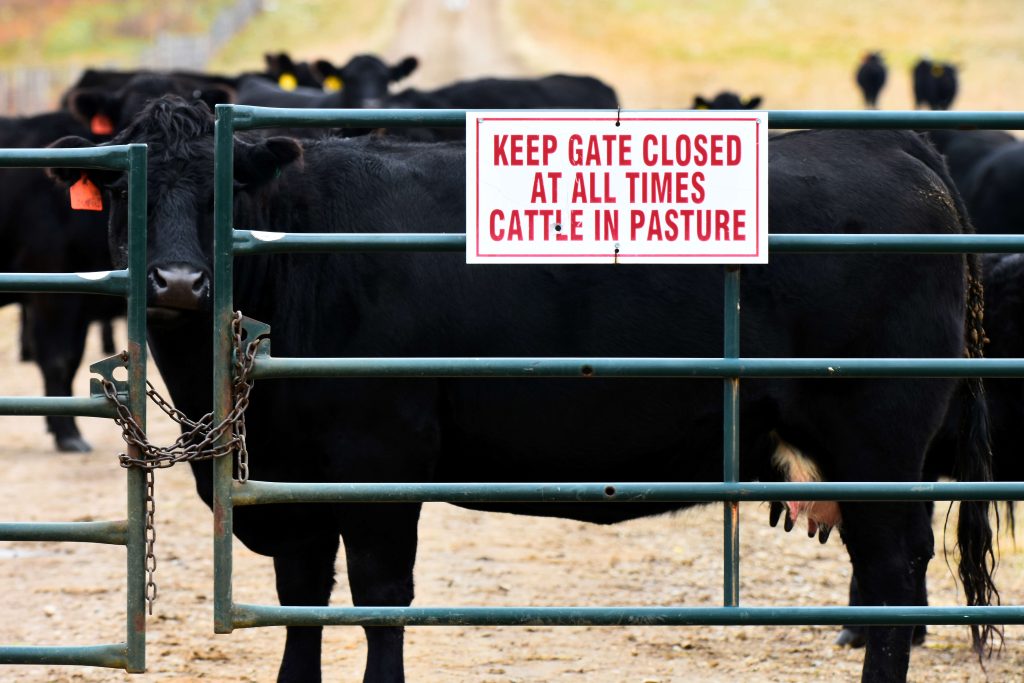
keep gate closed at all times cattle in pasture

For seedstock producers, it can be hard to set expectations for visitors. A welcoming, customer-forward atmosphere is important for any production sale or for private treaty buyers. But as Leigh and Heidi point out, producers are looking to buy breeding stock from operations with solid herd health. “They’re protecting their program, which means you will protect your program as well,” says Heidi. Demonstrating attention to biosecurity could be a selling point.

In most cases, biosecurity is viewed as more about avoiding problems than promoting solutions. “Sometimes you don’t really know when you’re being successful unless you’re tracking things,” says Ed. Keeping good records and promoting the hard work you put in to protect your herd should be celebrated as success!

Often in the beef industry, producers de-prioritize their own physical and mental health. It’s easy to justify sacrificing our own wellbeing for the sake of getting the job done. But what if leaving humans last on the list has an impact on more than just people?

Dr. Michelle Calvo-Lorenzo is the Chief Animal Welfare Officer for Elanco. With much experience in the feedlot realm, Dr. Calvo-Lorenzo gained an interest in how humans interact with livestock. Now, she has a wealth of knowledge surrounding the impact of human mentality on animal welfare.

Unfortunately, animal welfare is a term without a consistent definition and means many different things to different people. Dr. Calvo-Lorenzo prefers the definition used by the World Organization for Animal Health (WOAH), which explains animal welfare as “the physical and mental state of an animal in relation to the conditions in which it lives and dies.”

“What I love about that definition is that it takes into account two important things,” says Dr. Calvo-Lorenzo . “One, that we have to use science-based evidence in order to determine the quality of life for an animal in different areas, including the mental state. But also, just as importantly, this definition is the first I have seen that  integrates and honors the importance of humane care for animals throughout their life.”

Often, we only think of animal handling as the times where we bring cattle through a squeeze chute. However, as Dr. Calvo-Lorenzo explains, animal handling encompasses every point of interaction that we have with cattle, including euthanasia, feeding or cleaning water tanks, or even something as simple as walking through a pen to check cattle. The goal must be to aim for positive human-animal interactions every time, Dr. Calvo-Lorenzo explains, and cattle caretakers can achieve this if they recognize that cattle handling encompasses every way we approach cattle through tactile, auditory, and visual interactions.

The VBP+ program has entire modules that focus on how to decide which animals are fit for transport or may need to be humanely euthanized. These are judgement calls that rely on human decision-making, and therefore can be influenced by how a person feels, acts, and thinks.

There are many theories about animal welfare out there, but Dr. Calvo-Lorenzo’s preferred model is the Five Domains (Nutrition, Environment, Health, Behavioural Interactions, and Mental Domain). This model is intended to provide a coherent assessment of animal welfare, including both the avoidance of negative outcomes and enhancement of positive outcomes relative to animal welfare status. In addition, it’s the first model that accounts for the animal welfare implications of human-animal interactions.

A study performed by Texas A&M researchers determined that employees like pen riders and doctors who work more frequently with cattle tend to perceive beef cattle more poorly (Ridge, Gill, & Daigle, 2019). Processors had poorer satisfaction with their jobs and less comfort with euthanasia. Despite high levels of knowledge and experience, the study noted that staff were typically underpaid and overworked.

Working conditions impact how stock people feel about their jobs and the animals they work with. Texas A&M researchers have also noted that investing in more than skills training, such as reinforcing the value of an employee’s work, positively impacts their attitude towards livestock and in turn, animal welfare outcomes.

“Attitudes, beliefs, and perceptions about the animals you work with all motivate behaviour,” explains Dr. Calvo-Lorenzo. “And the behaviours of people are what is imposed on the animal. So, if you have a person that believes that animals should be treated with respect, then that will influence the way they approach the animals.”

Of course, taking the time to offer training and maintain a positive workplace takes time and sometimes money. But as data shows, when employee attitudes change, not only do livestock fear states decrease, but productivity increases – that’s a positive to your bottom line.

Today’s labor gap is a challenge, and keeping skilled workers on your operation is key. Training a new employee after losing a good worker is costly, and is another reason why worker mentality matters to the bottom line.

“The culture of an operation is incredibly important,” says Dr. Calvo-Lorenzo. “With the right culture in place, not only will people do things right, but they’ll be motivated to do things better and better every day. And this enhances the culture, which feeds into a positive cycle where worker morale isn’t low, people aren’t going to cut corners, there’s loyalty to the operation, and turnover rates are reduced.”

While in an ideal world, every producer and their employees would have a small, manageable workload and a high budget for salary, bottom lines are tight and it can be tough to find experienced workers. But salary isn’t everything. “In the US, we’ve met people who are willing to work for slightly less per hour at an operation if the workplace culture is a better fit,” explains Dr. Calvo-Lorenzo.

Workplace culture is easy to picture in a formal business model, but what about in a scenario where staff is family, like so many Canadian beef cattle operations? “My advice for this scenario is to prioritize expectations for maintaining a professional workplace and treating each other with respect as professionals,” says Dr. Calvo-Lorenzo.

In the VBP+ standard, a code of ethics and training for people on the operation are encouraged. For many producers, these elements seem like something meant for the corporate world and feel too structured and rigid for the family feel we are used to. However, a positive and professional workplace culture can take the form of an unspoken atmosphere of respect and value in the work being done.

Creating a team of people committed to doing their jobs to the best of their ability can make a real difference to the viability of your operation. This approach makes managing healthy, content, and productive cattle the priority, with the added benefit of keeping your people healthy, content, and productive too.


Sources

Ridge, E. E, Gill, R., and Daigle, C.L. (2019). Evaluation of the Texas Feed Yard Workforce: Survey of Stockperson Attitudes and Perceptions towards Euthanasia, Animal Care and Employee Value. American Journal of Animal and Veterinary Sciences, 14(2), 139-150. https://doi.org/10.3844/ajavsp.2019.139.150

mentorship

A producer’s bottom line is their most important consideration – after all, an operation can’t run if it isn’t financially viable. So, it’s important for producers to understand what they are paying for when it comes to getting certified with VBP+.

We often get asked why the cost of the audit is what it is, and we feel this is a question that many producers might have. As a non-profit, we work on a cost-recovery basis. Just like our producers, our focus is efficiency and minimizing costs.

When you get certified with VBP+, you are signing up for five years of certification. While you can pay a fee for all five years up front or pay annually, you commit to the full five year price up front. The reason for this becomes clear when the cost of the first year is broken down.

Note: This article will break down average costs for a Level 1 operation (i.e. a cow-calf, grasser/stocker, or short-term backgrounding operation).

Phase of Certification Cost to VBP+ Delivery Services Inc. Description
Year 1 – On-Farm Audit $750 Costs for the auditor to visit the farm, carry out the audit, and complete reporting
Year 2 – Records Assessment $100 Costs for reviewers and assessors to evaluate records submitted and address corrective actions
Year 3 – Self-Declaration $100 Costs for reviewers and assessors to evaluate responses and address any concerns
Year 4 – Records Assessment $100 Costs for reviewers and assessors to evaluate records submitted and address corrective actions
Year 5 – Records Assessment $100 Costs for reviewers and assessors to evaluate responses and address any concerns
Administration $100 Costs for VBP+ Delivery Services Inc. to maintain producer database to get producers value back
Total $1250  Total cost over the 5-year certification cycle

For a Level 1 operation, the cost of getting certified is $1250, or $250 per year for five years. This value equals the average cost to Verified Beef Delivery Services Inc. to carry out the certification of one operation. This means that VBP+ does not profit from certification.

For operations that require a Level 2 or 3 audit, the cost increases to $350 or $400 per year, respectively. These operations are generally larger, manage cattle closer to slaughter, and typically have more complex records in greater volumes. As a result, it takes an auditor or a VBP+ Delivery Services Inc. staff member a longer amount of time to complete an audit or review a renewal. This added time is reflected proportionally in the additional cost.

Understanding what each year of certification costs is interesting, but raises questions about what kinds of costs go into each year. Obviously, the on-farm audit accounts for the greatest portion of the cost of certification. When an auditor actually visits the farm in person, they incur travel costs. As well, the time it takes for an auditor to fully assess an operation on-farm and then compile all of the results into a format that is useable by a producer takes longer than the average renewal event. The audit year also requires processing by staff (for example, to assign an auditor to the operation, obtain all relevant information for certification, etc.).

For renewal events, VBP+ Delivery Services Inc. has to pay renewal coordinators, reviewers and assessors to keep track of timing of renewals, send out reminders, provide assistance, review documentation, and approve renewals. Administration encompasses the time that renewal coordinators use to help producers find answers to their questions in between renewals, manage the database, and handle other administrative tasks, like accounting.

VBP+ is committed to helping producers yield maximum value from the program. We welcome questions about the certification process and what VBP+ Delivery Services Inc. does as the third-party verification arm of VBP+. To reach out to us, head to our Staff Contacts page on the website.

The fall run is not just a busy time of year for auction marts. For cow-calf and feedlot producers, fall is a mad dash of buying and selling. At times like this, it becomes hard to remember some key points related to food safety and animal care that become relevant when shipping calves or other cattle. Luckily, this problem can be easily solved with the help of a shipping record.

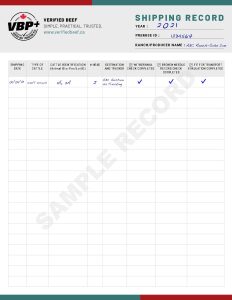
The VBP+ Shipping Record template is a single checklist that producers can go through when preparing a load of cattle for shipment. By filling out the document completely, producers can rest assured that they have done their part in ensuring high-quality animal care and food safety. Transportation and entry into the food chain are the points where consumers who are not connected to agriculture have the greatest chance to observe what producers do. So, it is important to make sure that what the public sees is Canadian beef producers’ commitment to these principles.

The top of the shipping record includes three important pieces of information. The year helps producers keep shipping records organized over time. Since the document has several rows, most producers can use only one or two of these sheets per year by recording all of their loads on one document. The premise ID is important for traceability purposes. In the event that an issue is discovered with an animal later on in the food chain, the Canadian Food Inspection Agency can use this record to trace the issue back to the premises of origin and prevent further hazards from entering the food chain. Finally, while the ranch/producer name might seem obvious to the recorder, this identification helps make this document useful proof of attention to the checks included in the record.

The next three columns help the producer associate the checks contained in the record with specific animals from their herd. The type of cattle column allows the producer to indicate the general class of cattle being shipped. This column is useful for quick reference when looking back on the record. For example, writing “weaned calves” in this column would help the producer remember that they had completed the shipping record when shipping their calves in the fall after weaning.

Similarly, the cattle identification column lets a producer narrow down which cattle they are referring to in the record. This specificity is important because it ensures that the three important checks in the last columns of the record are actually associated with the cattle being shipped. This identification can apply to single animals in the case of small loads or refer to groups of cattle using the producer’s own identification systems. The number of head allows for verification that the number of cattle that end up on the truck matches the number of cattle which were confirmed for safe shipment using the shipping record.

Recording the destination and trucker further aids in traceability in case an issue arises down the line. This column adds another pin on the map of where cattle move in their lifetime, helping officials track down the source of a problem should one come up. The trucker information is important for this same reason, as well as to have a record of the verification of a safe shipment before transferring care of the livestock from producer to trucker.

The final three columns are the “meat and potatoes” of the shipping record. These columns provide proof that a producer has done their due diligence in three key areas of responsible production. Firstly, indicating withdrawal check completed with a check mark shows that the producer has reviewed other records to confirm that the cattle in the shipment are not in a withdrawal period for an animal health product. While checking treatment records for the animals in the shipment is an obvious step, it is also important to think of other records linked to withdrawals, such as documentation of herbicide or pesticide usage. If animals grazed on pasture with a particular chemical, they may be subject to withdrawal for this reason as well. For cow-calf producers, it is important to note that animals may be shipped to a feedlot while still on withdrawal provided that their withdrawal information is sent to the feedlot operator along with them. This step will allow the feedlot operator to assume responsibility for ensuring that residues will not end up in carcasses.

The broken needle record check column is similar to the previous column in that it directs the producer to refer to a different document. The producer checks this box to indicate that they have reviewed records of broken needle occurrences on farm and confirmed that none of the animals in the shipment were involved in a broken needle incident. If cattle have broken needles, they should be retained for own consumption and the processor can be made aware of the location of the broken needle.

The final column verifies the fit for transport evaluation. This section requires the producer to observe the cattle in the shipment to verify that each individual can be safely transported without risk to animal welfare. In short, an animal is fit for transport if it can be expected to arrive at its destination in good condition. Lameness, injuries, and disease are all factors that can classify animals as either compromised, requiring transport with special provisions, or unfit for transport. Animals that are unfit for transport cannot be transported unless for veterinary diagnosis or care. The National Farm Animal Care Council (NFACC) Code of Practice for the Care and Handling of Beef Cattle contains a decision tree to help producers distinguish between these classes. This resource is also available within the Vulnerable, Distressed, and High-Risk Cattle section of the VBP+ Producer Reference Manual.

Shipping records are one of the key critical control points for producers to attend to in protecting food safety and animal care standards. This sample record, as well as a blank template for producer use, can be found under the Producer Resources section of our website.

The Animal Care section of the new VBP+ Producer Reference Manual is a great resource for producers to brush up on animal management techniques. Like the other sections, Animal Care includes self-assessments for certified operations to check their progress towards meeting the requirements for a successful audit. In addition, this section is packed full of great information on a variety of animal care topics, as well as other resources for producers.

Animal Care in the manual is divided into five parts: NFACC Code of PracticeHandlingProceduresHousing and Facilities, and Reproduction and Calving. Each sub-section contains key information for producers looking to get certified, or who want to learn more about these topics.


The NFACC Code of Practice outlines recommended and required practices for Canadian beef producers. Read it here.

The first sub-section, NFACC Code of Practice, helps producers interpret the structure of this important document. The National Farm Animal Care Council (NFACC) published the new Code of Practice for the Care and Handling of Beef Cattle in 2013. This document upholds the standard for beef cattle management in Canada, and was developed in partnership amongst producers, animal welfare groups, and other stakeholders. Check out the Animal Care section to better understand how to interpret the recommendations and required practices outlined in this document.

Next, the Handling sub-section discusses low-stress cattle handling and its benefits to producers and animals. Specifically, this part of the manual describes specific guidelines for handling tools and principles for animal movement. Additionally, this section ties into the NFACC Code of Practice by providing producers with the recommended handling practices from this document.

Procedures helps producers understand specific guidelines for a variety of common on-farm techniques, including restraint, branding, disbudding/dehorning, castration, weaning, predator control, and tail docking. These components help producers best accomplish these tasks while balancing animal welfare, practicality, efficiency, and effectiveness. For producers new to VBP+ or who want to clarify best practices, this part of the Animal Care section is key. As a bonus, links to several helpful resources from the Beef Cattle Research Council are provided.

The Housing and Facilities sub-section describes how to best manage animal care outside, in confinement, and with specific facilities. This part of the manual lays out key considerations in each of these scenarios and helps producers improve the environment their cattle are exposed to in order to maximize animal health, welfare, and performance.

Finally, Reproduction and Calving Management discusses facilities, monitoring, colostrum, calving issues, and prevention of undesired pregnancies. These topics combined allow producers to improve their calving practices so as to maximize success in terms of calf survival. NFACC guidelines are also provided throughout to help producers note key points from this document.

Together, the sub-sections of Animal Care help producers enhance their cattle management to improve animal health and welfare, which in turn improves performance and profitability for VBP+ operations. Stay tuned for the next section of the VBP+ Producer Reference Manual!

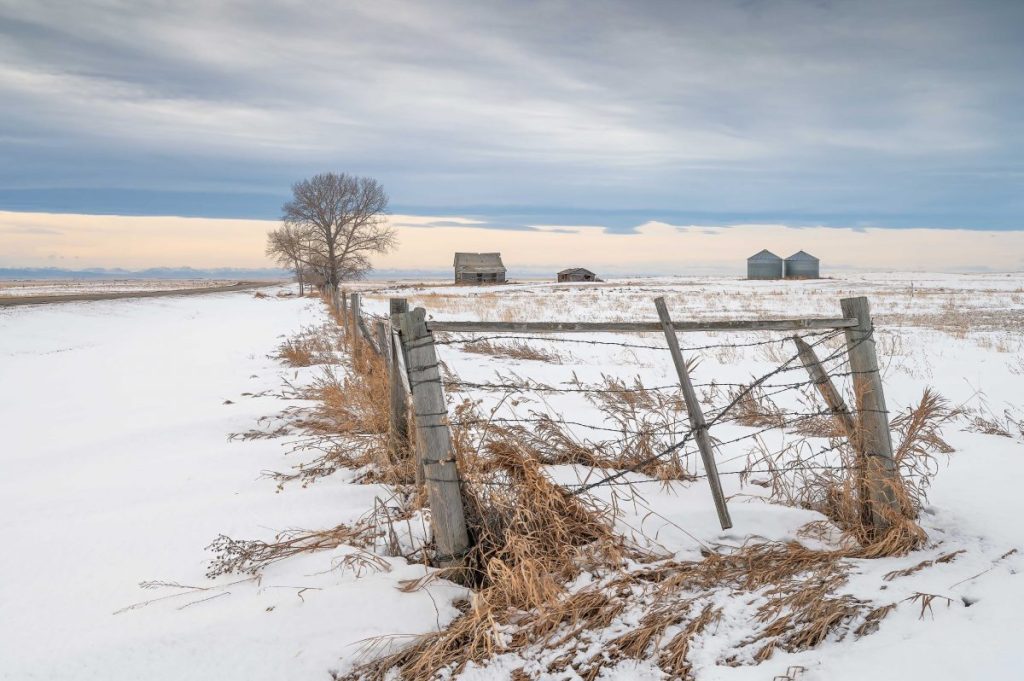
abandoned farmstead in winter

Foreign objects can present a food safety issue for consumers who purchase meat products from affected animals later on down the supply chain, and can also impact animal health and welfare prior to slaughter. Luckily, foreign objects are a risk which producers can mitigate on-farm.

In most cases, foreign objects enter animal carcasses in one of two ways. Cattle can either consume them, or they can penetrate the hide and end up lodging within tissues.

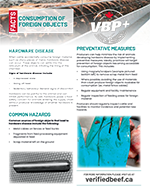
Consumption of foreign objects fact sheet

When cattle consume foreign objects, the material usually gets caught in the reticulum, where it can irritate the tissue within this chamber and cause pain for the animal. At this stage, cattle present a condition called hardware disease, which causes them to perform poorly and show general signs of discomfort such as a depressed state, poor appetite, and sedentary behavior.

Unfortunately, there are many common foreign objects found on-farm which cattle can easily consume. For example, metal cables on fences or feed bunks can be chewed and break if poorly maintained. Alternatively, fragments of metal or other material left on the ground or deposited in feed from processing equipment are easily consumed by cattle.

The best way for producers to prevent the risk of hardware disease, and its associated food safety concern, is to prevent access to foreign objects. If the operation processes feed, magnets or scalpers can be used to remove scrap metal from feed before it is offered to cattle. Where possible, producers should avoid using materials that could easily produce hardware, such as metal fence cables. If this is not possible, producers should regularly maintain equipment and facilities to avoid fragments becoming accessible to animals. Finally, regular inspection of feeding areas for foreign objects and monitoring of cattle and facilities for incidence and new hazards is key.

In other cases, cattle do not eat the foreign object, but rather rub against one such that it penetrates their hide. If these foreign objects become lodged in muscle and the producer is not aware, meat containing these foreign objects can enter the food chain and lead to consumer distrust and potential injury. In some cases, recalls or refusals of carcasses or portions of a carcass at processing plants may occur.

Sources of foreign objects that can penetrate cattle hides are relatively similar to those that can cause hardware disease. Scrap metal, derelict buildings, and poorly maintained equipment are easy for cattle to rub against and pick up metal fragments. However, a few common sources are unique to this route of entry. Buckshot or other shrapnel in areas where birds are hunted can enter the animal. Alternatively, metal or hard plastic rollers used for cattle to scratch can deposit small fragments in the hide.

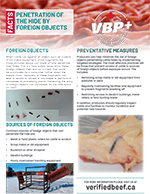
VBP+ penetration of the hide by foreign objects

Much like the hazards, the solutions to foreign objects entering animal hides are very similar to those that prevent the consumption of foreign objects. Removing scrap metal and old equipment and restricting access to derelict buildings, metal or hard plastic rollers, or bird hunting areas will aid in preventing access to fragments that could enter the hide. Regular maintenance of equipment and facilities will also reduce risk. Finally, while preventive measures should be emphasized, producers should monitor and document incidence in cattle to avoid entry of foreign objects into the food supply chain.

Regardless of the route of entry, handling foreign objects with cattle relies on the same basic principle: producers should prioritize prevention and maintain good maintenance and inspection to avoid food safety hazards entering the food supply chain.

To brush up on foreign objects, check out VBP+’s two fact sheets on Consumption of Foreign Objects and Penetration of the Hide by Foreign Objects.